

Hidden beneath the forests of Umbria lies one of Italy’s most prized culinary treasures: the truffle. For centuries, locals have wandered these hillsides with trained dogs, following instinct and scent to uncover what the earth has quietly prepared. Today, you can join them — and experience firsthand the mystery, skill, and joy of truffle hunting in Umbria.
It’s not just about food. It’s about tradition, nature, and a deep respect for the land.
What is Truffle Hunting?
Truffle hunting is the ancient practice of searching for edible fungi that grow underground, near the roots of certain trees. In Umbria, the practice is usually done with dogs — expertly trained to sniff out these elusive gems — as you explore woodlands, hills, and remote valleys.
The most common types found in Umbria are:
- Black truffles (tartufo nero) – especially prized in winter and summer
- White truffles (tartufo bianco) – rare and aromatic, found in autumn
- Scorzone (summer truffle) – milder and more widely available
Where Does It Take Place?
Truffle-rich areas are often located in forested zones, particularly:
- Near the Valnerina and Norcia regions
- Around Spoleto and Trevi
- In the hills above Gubbio and Città di Castello
- Along river valleys and shaded oak groves
These areas are not only productive but also breathtakingly beautiful. A truffle hunt is as much about the walk as it is about the discovery.
Who Leads the Experience?
Your guides are usually local truffle hunters, sometimes generations into the craft. Often accompanied by their loyal dogs, they’ll show you how to spot clues, listen to the earth, and follow the dog’s subtle signals.
Many also offer insights into the ecological importance of truffles, the challenges of harvesting them responsibly, and how climate affects the season.
What Happens After the Hunt?
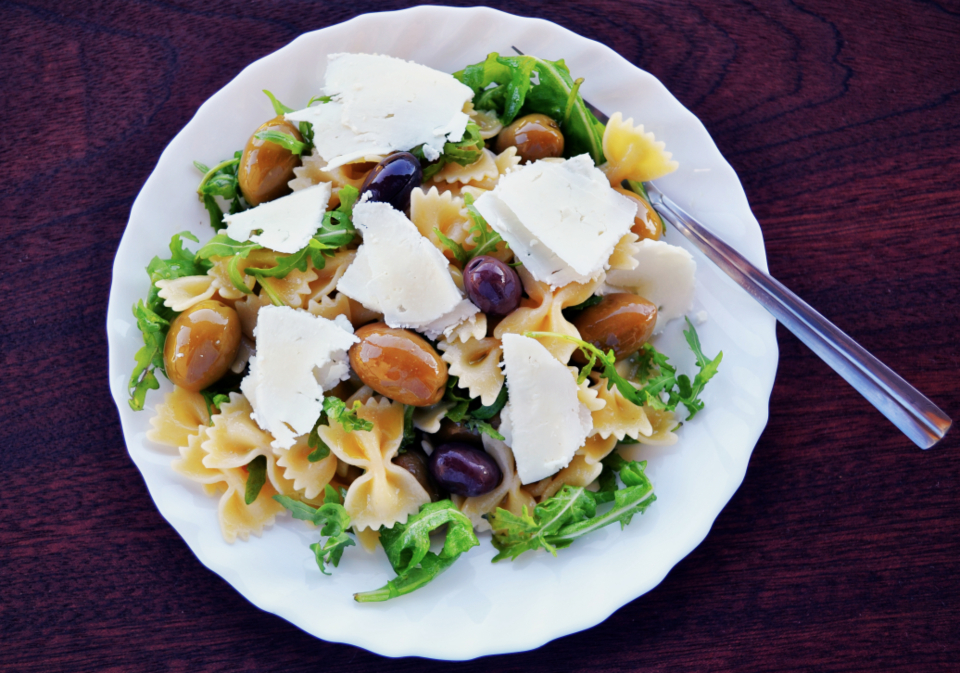
The experience doesn’t end in the forest. Most truffle hunts are followed by a tasting or even a full meal featuring the truffles you’ve helped uncover.
Typical dishes include:
- Fresh pasta with black truffle shavings
- Truffle-infused eggs or bruschetta
- Local cheeses and meats enhanced with truffle aromas
- Regional wines that pair perfectly with the earthy flavors
Some hosts also sell small truffle products, oils, or sauces to take home.
What to Expect
- Gentle walking through woods and hills (wear comfortable shoes)
- Interaction with trained truffle dogs — always a guest favorite
- Real insight into rural Umbrian life and sustainable harvesting
- A delicious reward at the end — fresh, seasonal, and unforgettable
Whether you’re visiting in summer, fall, or winter, there’s usually a truffle season in progress. Just make sure to check availability and book in advance.
The Seasons, Truffle by Truffle
The calendar decides your experience more than anything else. The black summer truffle, or scorzone, is in the ground from May to August. It has a rough black skin and a pale interior, a mild, nutty smell, and it is cheap enough that a host will grate it generously; it is the truffle most visitors actually find. The white truffle appears from October to December in the damp hills toward Gubbio, Città di Castello and the upper Tiber, with a smooth ochre skin and a scent of garlic and honey that fills a room; it is never cooked, only shaved raw at the table, and a single find can be worth more than the whole morning’s fee. The fine black winter truffle, tartufo nero pregiato, is the pride of Norcia and Spoleto from November to March, dense and dark with fine pale veins, and the one that goes into strangozzi and into the jars sold in Norcia’s shops. There is also a lesser winter black, the bianchetto in early spring and the uncinato in autumn; a good hunter will tell you which one you are holding.
Rain matters more than the date. A dry autumn means a thin white season; a wet summer brings scorzone in quantity. If a host is honest about a poor week, that is a mark in their favour.
What a Hunt Actually Involves
A typical morning lasts two to three hours and covers only two or three kilometres, mostly off the path on slopes of oak, hazel, hornbeam and poplar near water. The dog does the finding, and in Umbria that is often a Lagotto Romagnolo, the curly-coated water dog bred for the job, though many hunters swear by a mongrel with a good nose. Pigs are not used here: they eat the truffle and damage the roots. The dog marks the spot by scratching, the hunter moves her aside and opens the ground with a small hooked spade, lifts the truffle by hand, then closes the hole so the fungus can fruit again next year.
Hunting truffles in Italy requires a regional licence, and hunters guard their spots the way fishermen guard theirs. As a guest you walk, watch and dig when invited; you do not keep the harvest, which belongs to the hunter, though it usually ends up on your plate. Groups are small, typically two to eight people, and the hunter will ask you not to wear perfume or to call the dog while she is working.
Prices, Booking and Common Mistakes
- What it costs: a shared hunt with a tasting generally runs €50 to €90 per person; a private morning with a full lunch from €120 to €200. Adding a cooking session on the truffle you found pushes it toward the upper end.
- Book two or three weeks ahead in truffle season and expect early starts, often 8 am, because scent sits low in cool air.
- Do not expect a white truffle in summer. Any host promising one in June is either using a preserved product or a different species.
- Ask whether the tasting uses what you found. On a poor morning most hosts supplement from their own store; there is nothing wrong with that, but it is better to know.
- Take home the right product. Whole truffles in brine and truffle salsa keep well; most truffle oil is flavoured with a synthetic compound and contains no truffle at all. A small jar of real black truffle sauce from Norcia costs €8 to €15.
Final Thoughts
Truffle hunting in Umbria is a deeply sensory experience — the scent of the forest floor, the soft rustle of leaves, the quiet excitement as the dog signals a find. It’s a glimpse into a world of tradition, mystery, and flavor that runs just below the surface of everyday life.
If you’re looking for something unique, authentic, and wildly delicious, this is the adventure for you.
