
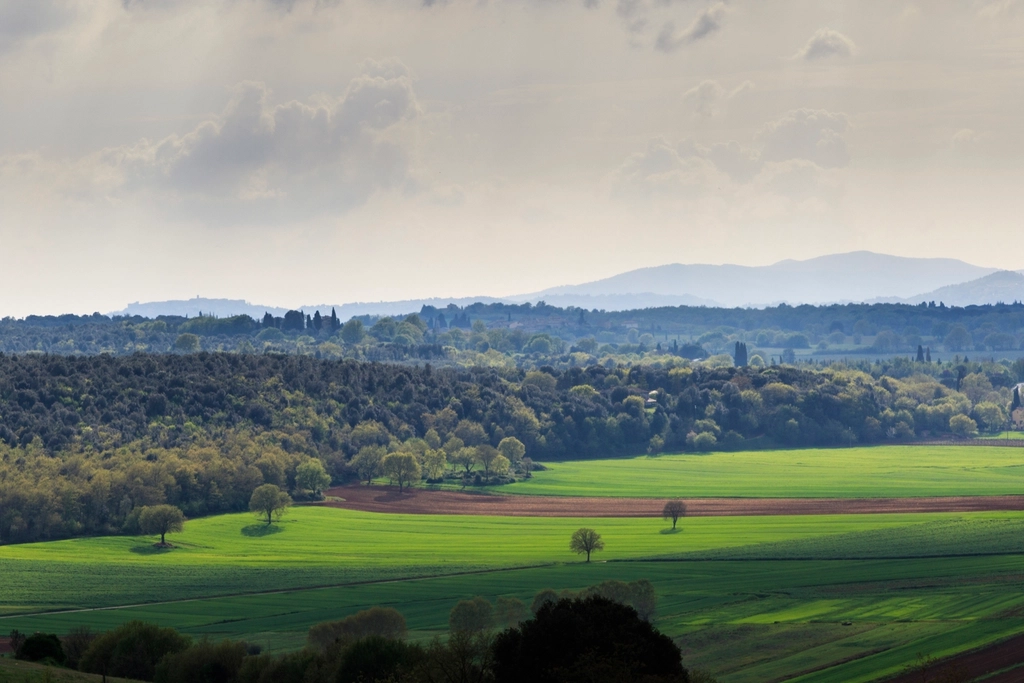

In Umbria, wine is not just a drink — it’s a tradition, a craft, and a story told through the land. Wine tastings here are more than a quick sip at the counter. They are immersive journeys through ancient vineyards, stone cellars, and the passionate hearts of those who make each bottle come to life.
If you’re looking to slow down and savor Italy, one glass at a time, wine tasting in Umbria is the perfect way to do it.
What Makes Umbrian Wine Special?
Unlike some more famous regions, Umbria has kept its wine culture intimate and authentic. The producers are often small, family-run, and deeply rooted in their land. Here, tradition meets innovation, and every vineyard tells its own story.
The stars of Umbrian wine include:
- Sagrantino di Montefalco – a bold, structured red with DOCG status
- Montefalco Rosso – a softer, fruit-forward red blend
- Grechetto – a crisp and elegant white, perfect for summer meals
- Orvieto Classico – a delicate and historic white wine
- Ciliegiolo – a lesser-known red with bright cherry notes
What to Expect in a Tasting Experience
Each tasting is unique, depending on the winery and the season. But most include:
- A guided walk through the vineyard
- A visit to the aging cellar, often carved into the hillside
- Tasting of 3 to 6 wines, sometimes with food pairings
- Insights into grape varieties, terroir, and winemaking techniques
- Stories about the family, the land, and the wine itself
Many tastings are held on terraces overlooking the vines, or in cozy tasting rooms filled with oak barrels and the scent of earth and wine.
The Perfect Pairings
In Umbria, wine never stands alone. It is almost always accompanied by:
- Local cheeses like pecorino or caprino
- Thinly sliced prosciutto or cured sausages
- Fresh bread with new olive oil
- Olives, lentils, or seasonal vegetables
- Traditional sweets with dessert wines
Some wineries also offer full light lunches or aperitivo boards as part of the experience.
Where to Go for Wine Tastings
While Montefalco and Torgiano are the most famous wine areas, you’ll find exceptional tastings throughout the region, including near Orvieto, Lake Trasimeno, and the hills around Spoleto and Gubbio.
Wineries range from large estates with polished tasting rooms to small family farms where you’ll be greeted by the winemaker themselves.
Tips for the Best Experience
- Make a reservation in advance — many tastings are by appointment
- Wear comfortable shoes if you’ll be walking through vineyards
- Ask questions — winemakers love to share their passion
- Buy a bottle (or more!) to support local producers and take the memory home
- Consider staying in a wine-producing farm stay for the full experience
Reading the Label: DOCG, DOC and What They Mean in Practice
The letters on an Umbrian wine label are a set of promises, not a ranking of quality. DOC (Denominazione di Origine Controllata) means the grapes come from a defined zone and the wine follows written rules on varieties, yields and ageing. DOCG adds a G for Garantita: the rules are stricter, every batch is tasted by a panel before release, and the bottle carries a numbered paper strip over the cork. IGT (Indicazione Geografica Tipica) is the loosest tier, and it is where you find winemakers experimenting with grapes the DOC rules do not allow.
Umbria has two DOCG wines. Montefalco Sagrantino must be 100 percent Sagrantino and cannot be sold until it has aged at least 37 months, twelve of them in wood. Torgiano Rosso Riserva, from the hills south of Perugia, is built on Sangiovese and aged for three years. Montefalco Rosso, by contrast, is a DOC: mostly Sangiovese with a share of Sagrantino, released after about 18 months, which is why it tastes softer and costs less. Knowing this lets you read a tasting flight in order: the Rosso is the everyday bottle, the Sagrantino is the one built to wait.
Whites work the same way. Orvieto DOC is a blend led by Grechetto and Trebbiano (locally called Procanico), grown on the volcanic tufa around the town; the word Classico on the label means the grapes come from the historic core of the zone closest to Orvieto itself. A varietal Grechetto from the Colli Martani or the Todi hills will usually be fuller and nuttier than an Orvieto blend, which leans crisp and floral.
What a Tasting Costs and How Long It Takes
Prices are lower than in Tuscany, but tastings are rarely free anymore. As a rough guide:
- Standard visit and tasting: €15 to €30 per person for a cellar walk and three or four wines, often waived if you buy a few bottles.
- Tasting with food: €35 to €60 with a board of cheese, cured meats and bread with the estate’s oil.
- Vineyard lunch or vertical tasting: €60 to €120, usually for older Sagrantino vintages or a full meal among the vines.
Plan on 90 minutes to two hours per winery. Three estates in one day is too many; two, with a long lunch between them, is about right. Most cellars receive visitors from around ten in the morning and again from three in the afternoon, and many close on Sunday afternoon and Monday.
Timing, Driving and the Mistakes Everyone Makes
The vineyards are most alive from late August to mid-October, when Sagrantino, one of the last grapes in Italy to ripen, is being picked and the cellars smell of fermenting must. The last weekend of May brings Cantine Aperte, when estates across the region open their doors without appointment. In July and August the heat is fierce by early afternoon, so book the morning slot. Winter tastings are quieter, and the winemaker is more likely to sit down with you.
A few things go wrong often enough to mention. The wine roads are narrow and the legal blood-alcohol limit in Italy is 0.5 grams per litre, lower than in many countries, so name a driver or let the estate arrange a transfer. Spitting is expected at serious tastings and no one is offended by it. Sagrantino has some of the highest tannin levels of any red grape; tasted young and without food it can feel harsh, which is why a good host opens it last and puts a piece of aged pecorino beside the glass. Finally, do not assume a small winery can ship abroad — ask before you fall in love with a case.
Final Thoughts
Wine tasting in Umbria is about more than flavor — it’s about connection. Connection to the land, to the people who nurture it, and to centuries of tradition poured into every glass. You’ll leave with more than just a satisfied palate — you’ll carry the stories, the sunlight, and the spirit of this rich region with you.
Raise your glass to the slow life, and let Umbria show you how to savor every drop.
