
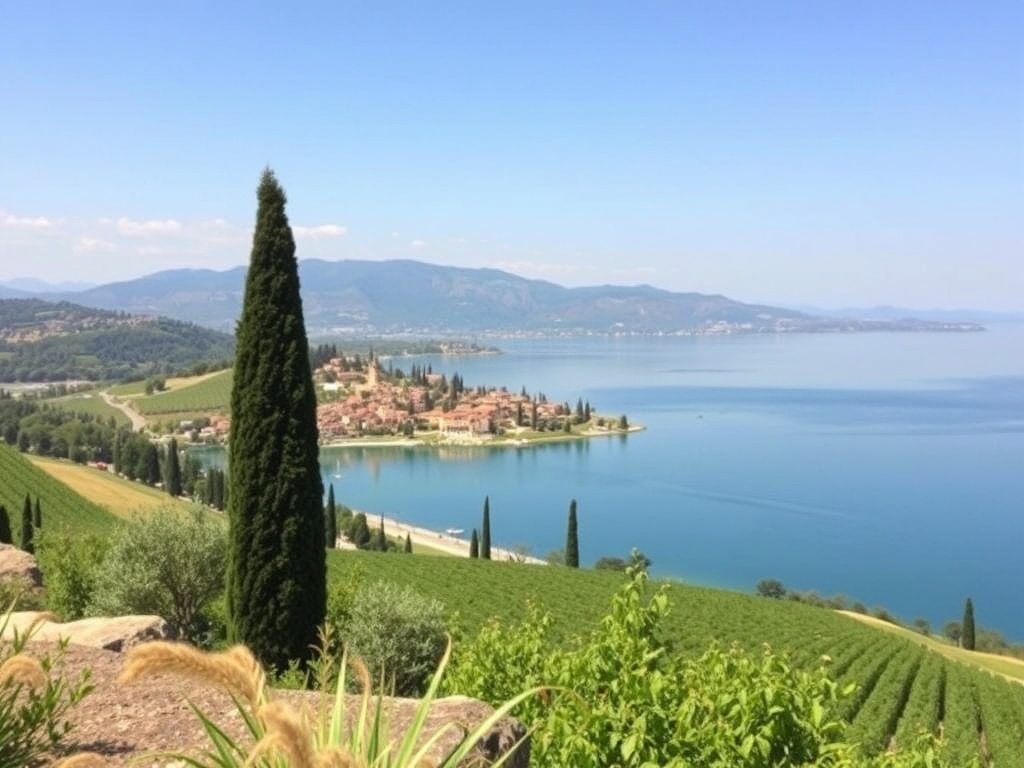

Discovering Lake Trasimeno’s Rural Charm
Nestled in the heart of Umbria, Lake Trasimeno offers more than just breathtaking views and tranquil waters. This region is a treasure trove of local farms, traditional cuisine, and immersive food experiences that reflect the soul of rural Italy. Whether you’re a culinary enthusiast or a nature lover, exploring this area through its agricultural and gastronomic heritage is an unforgettable journey.
Meeting the Farmers: A Window into Tradition
The countryside around Lake Trasimeno is dotted with family-run farms that have passed down knowledge through generations. Visiting these farms gives travelers a chance to understand the rhythms of rural life. From sheep herders producing pecorino cheese to olive groves crafting golden extra virgin olive oil, each encounter is rich in authenticity.
Many of these farms welcome visitors for tours, tastings, and even hands-on experiences like grape harvesting or cheese making. According to National Geographic, agritourism in Italy has surged in popularity, with Umbria being a top destination for its blend of tradition and hospitality.
Food Trails Around the Lake
One of the best ways to experience the region is by following its food trails, which connect local producers, restaurants, and cultural sites. These itineraries are designed to highlight the diversity of Umbrian flavors while offering scenic routes through olive groves, vineyards, and rolling hills.
The Olive Oil Route
Umbria is renowned for its high-quality olive oil, and the hills surrounding Lake Trasimeno are ideal for olive cultivation. Along this trail, visitors can stop at small mills to observe the pressing process and taste freshly made oil on warm bruschetta—a simple yet deeply satisfying ritual.
The Wine Route
Although Tuscany often steals the spotlight, Umbria boasts its own exceptional wines. Around the lake, you’ll find small wineries producing DOC wines like Colli del Trasimeno. Guided tastings often include local pairings such as roasted meats and artisanal cheeses.
Traditional Flavors of Trasimeno
The cuisine near Lake Trasimeno is rooted in simplicity and seasonality. Here are a few specialties you might encounter on your journey:
- Tegamaccio: a traditional fish stew made with lake fish, tomatoes, and herbs.
- Torta al testo: a flatbread cooked on a stone, often filled with cured meats and greens.
- Fagiolina del Trasimeno: a rare local legume, now protected and celebrated for its delicate flavor.
These dishes tell the story of a land where every ingredient is cherished, and every meal is a celebration of the earth’s bounty.
Slow Travel in the Umbrian Countryside
Exploring Lake Trasimeno through its farms and food trails encourages a slower, more mindful form of travel. Instead of rushing from site to site, visitors are invited to connect with the land and its people. This approach aligns with the principles of Slow Food and Slow Travel, movements that originated in Italy and emphasize sustainability, culture, and pleasure.
The Lake Itself: Islands, Ferries and Fishing Villages
Trasimeno is Italy’s fourth-largest lake but rarely deeper than six metres, which is why it warms early, why reeds fringe so much of its shore, and why the fishing tradition is one of nets and flat-bottomed boats rather than deep-water trawling. Three islands sit in the water. Isola Maggiore is the only inhabited one, a single lane of stone houses where a lace-making school once employed most of the women; a ferry from Tuoro or Passignano gets you there in about ten minutes. Isola Polvese, reached from San Feliciano, is a nature park with olive groves, a ruined castle and walking trails around its perimeter. The third, Isola Minore, is private and left to the cormorants.
The fishing villages are where the lake table begins. San Feliciano keeps a small fishing museum and a cooperative that still lands regina (a large carp), perch, tench and eel each morning; Castiglione del Lago, on its promontory on the western shore, has the Rocca del Leone fortress and a string of restaurants that fry perch fillets in a way that has converted many visitors who thought they did not like lake fish.
- Ferries: return tickets to the islands cost a few euros per person; sailings are frequent from April to October and sparse in winter.
- Cycling: a mostly flat trail circles the lake in roughly 58 kilometres; rental bikes are available in Castiglione and Passignano.
- Swimming: possible from the beaches at Castiglione, Passignano and Tuoro from June, though the water is murky rather than clear.
A Seasonal Calendar for the Trasimeno Table
Because the lake shore is lower and milder than the hill towns to the east, its farming year runs a little ahead of the rest of Umbria. The fagiolina, that tiny lake bean, is sown in May, picked by hand from late August into September and shelled by the family on winter evenings; it is expensive for a legume, and a small bag from a producer costs several euros for good reason. September also brings the grape harvest in the Colli del Trasimeno vineyards, where the red Gamay del Trasimeno is not Gamay at all but a local strain of Grenache, giving warm, spicy wines quite unlike the Sagrantino of Montefalco.
October and November belong to the olives. The mills around Panicale, Paciano and Magione work late into the night during those weeks, and a farm stay nearby will usually let you follow your host’s crates to the press. Winter is fishing weather and eel weather; spring means wild asparagus and the first pecorino of the year, soft and fresh rather than aged.
For lodging, a double room in a family-run farm stay around the lake generally falls between 70 and 130 euros a night in spring and autumn, higher in July and August, when the lake fills with Italian holidaymakers and the quiet you came for is harder to find. If you have a choice, come in late September: the grapes are in, the olives are a month away, and the evenings are still warm enough to eat outside.
Tips for an Authentic Experience
- Visit during harvest seasons (late summer to early autumn) for the most engaging farm experiences.
- Stay in agriturismos to immerse yourself in local life and enjoy home-cooked Umbrian meals.
- Learn a few Italian phrases—locals appreciate the effort and it enhances your interactions.
Whether you’re sipping wine under the vines, kneading dough with a local nonna, or simply watching the sun set over the lake, Lake Trasimeno offers a rich, grounded experience that nourishes both body and spirit. It’s not just a journey through Umbria—it’s a journey into its heart.
