
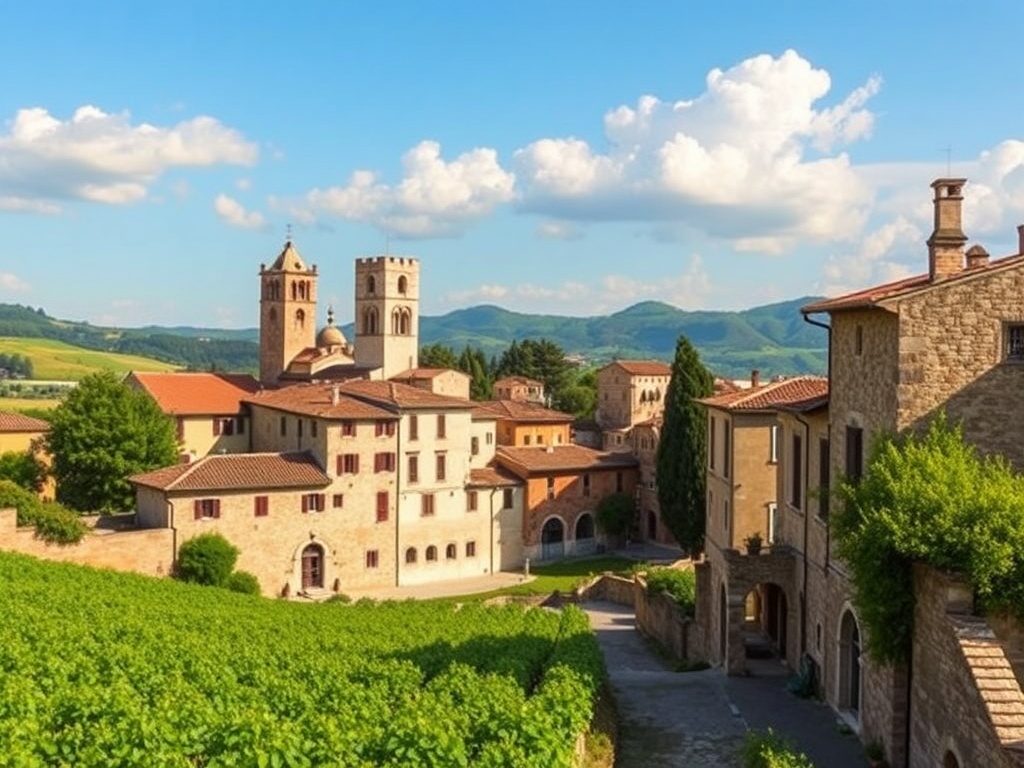

Exploring the Heart of Umbria: Where History and Flavor Unite
Nestled in the rolling hills of central Italy, Umbria is a region where **centuries-old farming traditions** blend harmoniously with the rich tapestry of medieval architecture. Here, time seems to slow down, allowing visitors to deeply engage with the land, its people, and its flavors. The medieval towns scattered throughout this lush countryside are not just picturesque—they are living, breathing expressions of a lifestyle rooted in authenticity and sustainability.
Timeless Towns Steeped in Agricultural Heritage
From the cobbled streets of Montefalco to the hilltop serenity of Spello, Umbrian towns offer more than scenic views. They are gateways into a world where **local farms still produce olive oil, wine, truffles, and cheeses** using traditional methods passed down through generations.
Montefalco: The Balcony of Umbria
Famed for its sweeping views and Sagrantino wine, Montefalco is a haven for lovers of history and gastronomy. Visitors can wander through medieval alleys before joining a wine tasting in a family-owned vineyard, where grapes are still handpicked. According to National Geographic, Montefalco is among Italy’s most enchanting small towns, particularly for food and wine enthusiasts.
Spello: A Floral and Culinary Gem
Known for its flower festival and Roman roots, Spello is also a culinary hotspot. Local trattorias serve dishes made with **ingredients sourced directly from nearby farms**, such as lentils from Castelluccio and black truffles from Norcia. Meandering through Spello feels like stepping into a storybook, especially when the scent of freshly baked bread wafts through the stone streets.
Farm-to-Table Traditions That Delight the Palate
In Umbria, food is not just sustenance—it’s a **celebration of place and season**. Most meals are crafted with ingredients that haven’t traveled more than a few kilometers. This emphasis on freshness and locality is deeply embedded in the cultural identity of the region.
- Olive oil: Cold-pressed from centuries-old groves, Umbrian olive oil is fruity, peppery, and full of character.
- Truffles: The forested hills around towns like Norcia yield black and white truffles, integral to many local dishes.
- Cheese: Pecorino and ricotta are often homemade, offering rich textures and authentic flavor.
- Wine: Montefalco Sagrantino DOCG is a bold red that pairs perfectly with cured meats and aged cheeses.
Immersive Experiences on Local Farms
Several farms open their doors to curious travelers, offering hands-on experiences that go beyond the typical tourist trail. Visitors can help with the olive harvest, learn to make pasta from a nonna, or participate in a truffle hunt guided by trained dogs. These **immersive encounters** foster a deeper connection with the land and its stewards.
According to the Food and Agriculture Organization, small-scale farms like those in Umbria play a crucial role in preserving biodiversity and culinary heritage.
Living Traditions in the Rhythm of the Seasons
Umbrian life is dictated by the natural calendar. The arrival of spring brings wild asparagus and fresh herbs, while autumn is marked by the olive and grape harvests. Festivals in towns like Bevagna celebrate these cycles with food fairs, medieval reenactments, and artisan markets. Participating in these events allows travelers to **experience rural Italy as locals do**—through shared meals, music, and community spirit.
Three More Towns Worth a Detour
Bevagna sits on the flat valley floor a few kilometres below Montefalco, which makes it the only walled town in this area you can reach without a climb. It keeps a Roman mosaic floor from a bath complex, a pair of Romanesque churches facing each other across the main square, and, in the second half of June, the Mercato delle Gaite, when the four quarters of the town revive medieval crafts: a candle maker, a rope walk, a paper mill and a working forge, all staffed by residents.
Trevi, stacked on its hillside above the Via Flaminia, is the olive town of the valley. Its groves are so dense that the town seems to float on them. The local speciality is sedano nero, a dark, long-stemmed celery grown only in a few fields by the Clitunno river and celebrated with its own fair in October; you will find it stuffed with sausage meat and baked, or fried in batter.
Norcia, in the Valnerina an hour east of Spoleto, is the capital of the region’s pork butchery. The word norcino means a pork butcher anywhere in Italy, and the shops here sell cured shoulder, wild boar sausage and mountain prosciutto alongside the tiny lentils grown on the Castelluccio plateau above the town. Norcia was badly hit by the 2016 earthquakes and rebuilding continues, but the food shops and the black-truffle fair in late winter are back.
Practical Notes for Town-Hopping from a Farm Base
A farm stay near Montefalco or Bevagna puts most of these towns within a 20-minute drive: Bevagna is about 7 kilometres from Montefalco, Spello about 15, Trevi about 12, and Assisi around 25. Norcia and Castelluccio are a longer trip, roughly 90 minutes each way, and worth a full day. A car is essential; the buses between the smaller towns are timed for schoolchildren, not visitors.
- ZTL zones: almost every historic centre restricts traffic. Park in the lots below the walls and walk up; driving past a camera sign earns a fine that arrives months later.
- Timing: shops and many small museums close from about 1 p.m. to 4 p.m. Plan towns for mornings and late afternoons, and use the middle of the day for lunch and rest.
- Market days: each town has a weekly market morning — ask your host which day, as it is the best place to buy cheese and vegetables directly from producers.
- What things cost: a trattoria lunch runs roughly 15 to 30 euros a person; a Sagrantino tasting at a small cellar is usually between 10 and 25 euros, sometimes waived if you buy a few bottles.
One habit that pays off: arrive in a town before 9 a.m. once during your stay. The bars fill with farmers coming down from the fields, the bakeries still have warm bread, and you see the place as it works rather than as it displays itself.
Why Umbria Is a Culinary Destination Like No Other
Unlike more commercialized regions, Umbria retains an air of authenticity that makes every visit feel personal. Whether you’re sipping wine in a stone courtyard or kneading dough alongside a farmer’s family, the region invites you to slow down and savor each moment. It’s a place where **history, nature, and gastronomy converge**, offering a travel experience that nourishes both body and soul.
For those seeking a deeper connection to Italian culture, the medieval towns of Umbria provide the perfect setting—rich in heritage, generous in flavor, and always welcoming with open arms.
