
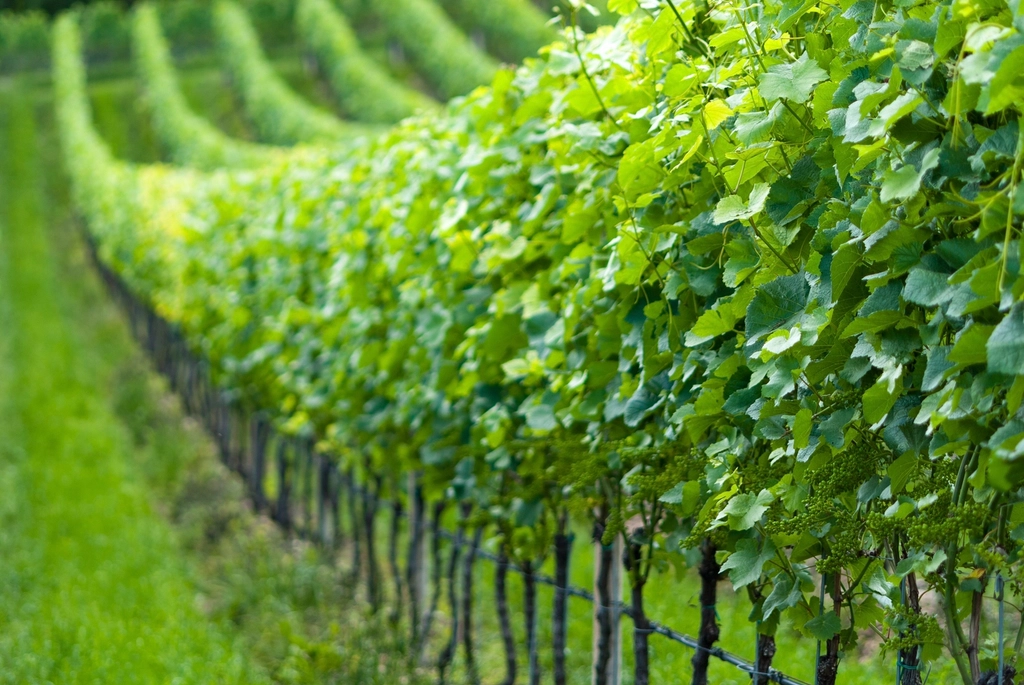

High above the rolling valleys and olive groves of central Italy, Umbria’s hilltop villages stand like stone guardians of history. These small towns, perched on scenic ridges and surrounded by cypress trees and vineyards, offer visitors a glimpse into the soul of Italy — quiet, authentic, and beautifully untouched by time.
If you dream of cobblestone alleys, medieval towers, and golden sunsets over terracotta rooftops, this is where you belong.
1. Spello – The Village of Flowers
Known as one of the most beautiful villages in Italy, Spello is a fairytale town draped in flowers. In spring and summer, every balcony bursts with color, and in June, the Infiorata Festival transforms the streets with flower carpets.
Explore Porta Venere, Roman mosaics, and Santa Maria Maggiore church. Nearby, you’ll find charming farm stays in the hills between Spello and Assisi. Don’t miss an olive oil tasting at a local mill just outside town.
2. Montefalco – Balcony of Umbria
Nicknamed the “Balcony of Umbria”, Montefalco offers panoramic views of the Umbrian countryside and is home to Sagrantino wine, one of Italy’s boldest reds.
Explore the Museo di San Francesco and stroll through the vineyards that surround the village. Many agriturismi in the area offer tastings and wine experiences.
Plan a sunset walk along the city walls — it’s unforgettable.
3. Trevi – The Olive Capital
Built in concentric circles on a hillside, Trevi is all about olive oil and serenity. Surrounded by ancient olive groves, it’s a place to slow down and savor tradition.
Visit the Church of San Francesco, the Olive Oil Museum, and enjoy scenic trails. You’ll find organic farm stays nearby that specialize in local food and slow living.
Try bruschetta drizzled with DOP Trevi olive oil — it’s simple and perfect.
4. Bevagna – Where Time Stands Still
Unlike its hilltop siblings, Bevagna is nestled on a plain — but its medieval character is unmatched. The village feels like a living museum with Roman ruins, artisan workshops, and one of Italy’s best-preserved piazzas.
Explore Roman baths, Piazza Silvestri, and traditional paper-making workshops. Family-friendly farm stays in the surrounding countryside make this a great base for slow exploration.
5. Gubbio – Dramatic and Ancient
Clinging to the slopes of Mount Ingino, Gubbio is dramatic in both architecture and atmosphere. Its gray stone buildings, steep stairways, and sweeping views make it one of Umbria’s most photogenic towns.
Visit the Palazzo dei Consoli, the Roman Theater, and ride the open-air cable car to the top of the mountain. Farm stays in the hills offer a peaceful contrast to the vertical charm of Gubbio itself.
Why Visit Umbria’s Hilltop Villages?
- Authenticity: Far from tourist crowds, you’ll experience real Italian life.
- History: Walk paths laid by Romans, saints, and medieval merchants.
- Beauty: Every corner is a photo, every vista a painting.
- Proximity to Nature: Ideal for day hikes, truffle hunting, and agritourism stays.
Getting Around
The best way to explore these villages is by car, allowing you to move freely from one hilltop to another. Many farm stays offer local tips, maps, and even bike rentals for scenic routes between villages.
Where to Stay
Umbria is full of warm, family-run agriturismi that offer beautiful views, delicious local food, and easy access to these villages. Whether you’re looking for a rustic stone cottage or a luxury farm estate, you’ll find a stay that fits your pace and your passion.
Three More Villages Worth the Detour
Todi sits on a hill above the Tiber south of Perugia and has one of the most complete medieval squares in Italy: the Piazza del Popolo, with the cathedral at one end and three Gothic civic palaces along the sides, all still in use. Below the walls stands the Tempio della Consolazione, a Renaissance church on a Greek-cross plan that looks as if it was drawn by Bramante, and may have been. Lifts and escalators connect the car parks to the old town, which matters at the end of a long day.
Panicale, on a ridge above the southern shore of Lake Trasimeno, is small enough to walk in twenty minutes and has a tiny nineteenth-century theatre, a church with a Perugino fresco of Saint Sebastian, and a terrace where the whole lake lies below you at sunset. Monte Castello di Vibio, on the road between Todi and Marsciano, claims the smallest historic theatre in the world, the Teatro della Concordia, with 99 seats under a painted ceiling; performances still take place there.
Parking, ZTL and the Rhythm of the Day
Almost every hill town has a ZTL, a limited-traffic zone covering the historic centre and enforced by cameras at the gates. Drive through one, even by accident, and a fine of around €80 to €100 will reach you months later through your rental company, with a handling fee on top. The rule is simple: park in the signed lots below the walls and walk up, or use the escalators and lifts that Spoleto, Orvieto, Perugia and Todi have built into the hillside. Parking is usually €1 to €2 an hour and often free after eight in the evening.
Time your visit to the town’s own clock. Shops, museums and many churches close from about one until four; the streets empty and the light is harshest, so this is the hour for a long lunch. Between six and eight the passeggiata brings everyone back out and the stone turns gold. If you are staying at a farm nearby, driving up for the evening and going home after dinner is what locals would do. Gubbio adds one date to the calendar: on 15 May the Corsa dei Ceri sends three huge wooden pillars racing up Mount Ingino, and the town is packed, loud and unforgettable.
Final Thoughts
Exploring Umbria’s hilltop villages is like flipping through the pages of a living history book. Each village offers a unique rhythm, a new flavor, a timeless story. So take your time, look up at the bell towers, breathe in the scent of stone and thyme, and let Umbria work its magic.
