
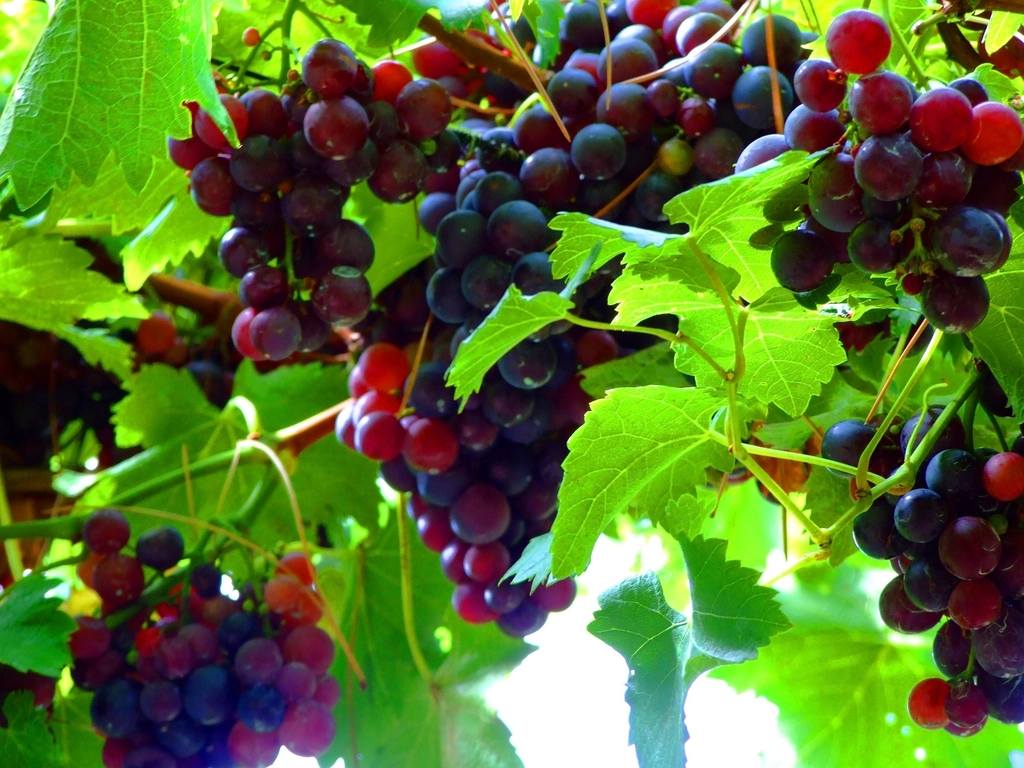

Umbria is often described as the “green heart of Italy”, and nowhere is this more true than in its tranquil lakes and rolling countryside. This is a region made for slow mornings, quiet walks, and long meals under the vines. If you’re looking to escape the crowds and reconnect with nature, these peaceful corners of Umbria will speak to your soul.
Lake Trasimeno – Serenity on the Water
As the fourth largest lake in Italy, Lake Trasimeno offers an oasis of calm surrounded by sunflower fields, vineyards, and fishing villages. The pace here is unhurried, the sunsets golden, and the horizon dotted with small islands.
Explore medieval towns like Castiglione del Lago and Passignano sul Trasimeno. Rent a bike and ride the scenic path around the lake, or take a ferry to Isola Maggiore for a timeless experience.
Local farm stays near the lake often include lake views, olive groves, and easy access to kayaking, birdwatching, or wine tasting.
Todi Countryside – Vineyards, Valleys and Timeless Views
The countryside around Todi is a painter’s dream — rolling hills layered with vineyards, cypress-lined roads, and quiet farmhouses nestled in the folds of the land.
Spend your days walking between villages, visiting small wineries, or reading under a fig tree. This is an ideal area for couples, digital nomads, and anyone craving a retreat from modern noise.
The local agriturismi offer warm hospitality, homemade meals, and often have vegetable gardens or cooking classes on site.
Valnerina – Wild and Untamed
For a more rugged countryside escape, head to the Valnerina valley. This lesser-known area of southeastern Umbria is home to dramatic cliffs, green pastures, ancient abbeys, and slow-moving rivers.
It’s a favorite for outdoor enthusiasts, with opportunities for hiking, rafting, and exploring medieval hamlets like Scheggino and Vallo di Nera.
Farm stays here are often rustic and simple — built from stone, surrounded by forest, and ideal for those looking to disconnect.
Upper Umbria – Hidden Valleys and Working Farms
In the northern regions near Città di Castello and Montone, you’ll find small valleys filled with authentic working farms and untouched countryside.
This is a great area for family trips, with friendly animals, cheese production, and traditional meals. You’ll find yourself chatting with farmers, picking cherries, or helping to gather herbs in the fields.
The rhythm of life here hasn’t changed much in centuries, and that’s exactly what makes it special.
Why Choose a Countryside Stay?
- Peaceful, quiet, and away from tourist hubs
- Strong connection to food, land, and nature
- Ideal for long stays, retreats, or family vacations
- Access to beautiful landscapes, trails, and charming villages
Tips for Exploring
- Rent a car for maximum freedom and flexibility
- Bring walking shoes — some of the best sights are off the main roads
- Visit local markets for the freshest produce and artisanal goods
- Talk to your hosts — they’ll point you to hidden gems
Where to Stay
Countryside farm stays in Umbria range from simple cottages to elegant villas. Many offer seasonal meals, outdoor dining, and activities like yoga, pottery, or nature walks. Whether lakeside or deep in the hills, they all share one thing: a sense of peace you’ll carry with you long after you leave.
The Islands of Trasimeno and How to Reach Them
Three islands sit in the lake, and only two can be visited. Isola Maggiore, about ten minutes by ferry from Tuoro or Passignano, is the inhabited one: a single lane of stone houses where lace-making was once the main trade, a path that circles the island in under an hour, and the spot where Saint Francis is said to have spent Lent in 1211. Isola Polvese, the largest, is a nature reserve served by ferry from San Feliciano; it has a ruined castle, an olive grove, a small beach and no cars, and it is the better choice for a day of walking and swimming. Isola Minore is private and off limits.
Ferries run all year on the main links but thin out between October and March; in summer the last boat back is around seven in the evening, and missing it is an expensive mistake. Return tickets fall in the €5 to €10 range. The cycle path around the lake is roughly 60 kilometres, mostly flat, with a few gaps on ordinary road; a full loop is a long day, but the stretch from Castiglione del Lago to San Feliciano makes a comfortable half-day ride.
What to Eat by the Water
Lake cooking is its own tradition, distinct from the hills. Look for tegamaccio, a slow fish stew of eel, perch, carp and whatever else came up in the nets, cooked in a terracotta pot with tomato and white wine. Regina in porchetta is carp stuffed with garlic, rosemary, wild fennel and lardo, roasted the way the hills roast pork. Smaller fish are fried whole. The fagiolina del Trasimeno, a tiny pale bean grown only on the lake’s shores, comes simply dressed with new oil and is protected by a Slow Food presidium because so few farmers still grow it. Wines from the Colli del Trasimeno DOC, often the local Gamay, which is in fact a Grenache, are lighter than anything from Montefalco and suit the fish.
Two Smaller Lakes for a Different Rhythm
Lake Piediluco, in the far south near the Marmore falls, is where the national rowing team trains; it is deep, wooded and cool, with a single village of fishermen’s houses along the shore, and it makes a good base for the Valnerina rather than a destination in itself. Lake Corbara, a reservoir on the Tiber between Todi and Orvieto, is less pretty up close, but the road along its northern shore is one of the finest drives in Umbria, and the vineyards on the slopes above it produce some of the region’s most interesting reds.
A word on seasons: Trasimeno is shallow, rarely more than six metres, so it warms early and is swimmable from June, but in a dry year the shoreline retreats and algae can bloom by late August. May, June and September are the months when the lake is at its best.
Final Thoughts
There’s a rhythm to the Umbrian countryside that invites you to slow down, breathe deeper, and notice the beauty in every detail. From sunrise over Lake Trasimeno to starlit dinners in the hills of Todi, these escapes are not just vacations — they’re a return to what matters.
