
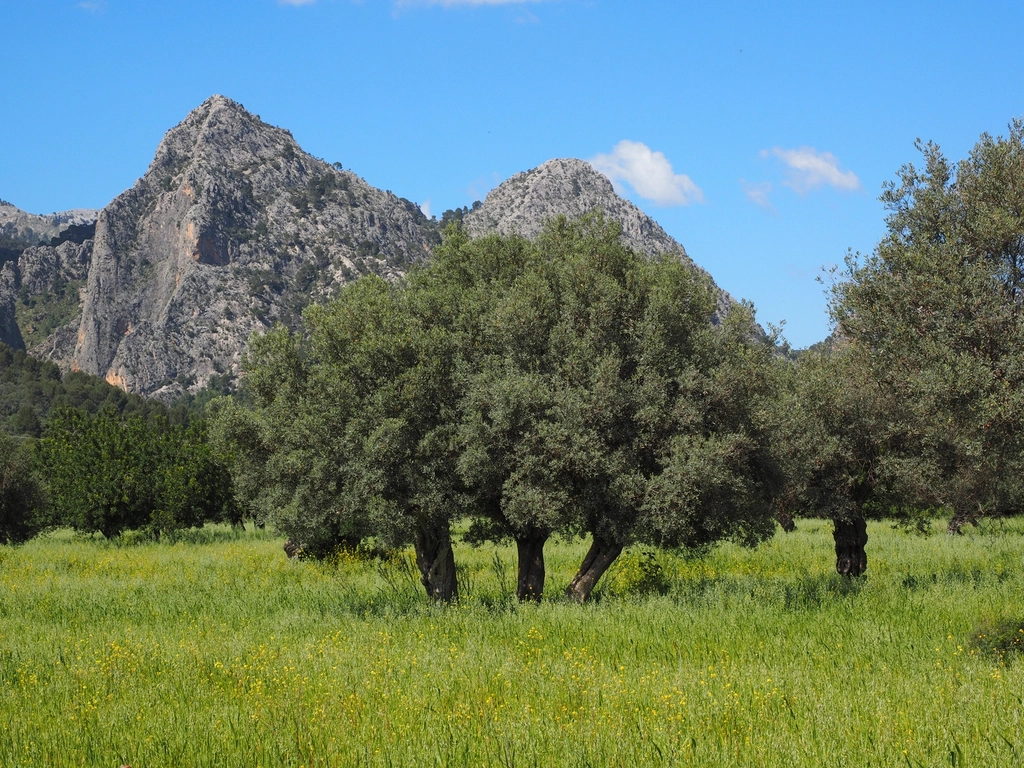

Umbria isn’t just charming hill towns and olive groves — it’s also home to some of the most spectacular natural parks in central Italy. With mountains, lakes, forests, and gorges, these protected areas offer a glimpse into wild, authentic, and untouched Italy.
Whether you’re a hiker, nature lover, birdwatcher, or simply looking to unwind in a peaceful landscape, Umbria’s natural parks invite you to explore at your own rhythm.
Monte Subasio Regional Park – Where Nature Meets Spirit
Rising behind the town of Assisi, Monte Subasio is both a natural and spiritual landmark. Covered in green meadows, limestone ridges, and dense forests, it offers stunning views over the Umbrian valley.
Hiking trails lead through peaceful woods and up to panoramic peaks, and you may even spot wild horses grazing freely. The silence is profound — ideal for meditation or photography.
This park is closely tied to the life of Saint Francis of Assisi, and many trails follow his footsteps. Farm stays in the area offer access to both the natural beauty and cultural heritage of the region.
Monti Sibillini National Park – Wild, Majestic, and Mysterious
Straddling the border between Umbria and Le Marche, the Sibillini Mountains offer a dramatic change of scenery. With peaks rising over 2,000 meters, deep valleys, and alpine meadows, this is a paradise for serious hikers and adventure seekers.
The famous Piano Grande near Castelluccio is particularly spectacular in spring, when it becomes a mosaic of blooming wildflowers. It’s one of the most surreal landscapes in Italy.
This park is ideal for activities like trekking, mountain biking, wildlife watching, and paragliding. Farm stays in the foothills cater to those who want rustic comfort close to nature.
Parco del Lago Trasimeno – Where Water Meets Wilderness
Lake Trasimeno isn’t just for relaxation — it’s also a protected natural park with diverse ecosystems and birdlife. Reed beds, wetlands, and quiet woods make it a haven for birdwatchers and peaceful walkers.
Cycling paths wind around the lake, and several quiet nature trails lead to scenic viewpoints and quiet beaches. The sunsets here are legendary — and the slow pace of life matches the natural flow of the landscape.
This is a great area for eco-friendly farm stays and sustainable tourism focused on the balance between people and place.
Parco del Monte Cucco – Caves, Peaks and Flying Adventures
Located near the Umbrian border with Le Marche, Monte Cucco is known for its karst caves, fresh mountain air, and endless horizons. The park is a hidden gem for spelunkers, hang gliders, and hikers who love to venture off the beaten path.
The area also features picturesque villages like Sigillo and Costacciaro, where time seems to stand still. This is a place to reconnect with earth, air, and sky.
Nearby farmhouses offer immersive experiences, from mountain cooking to truffle hunting.
What You’ll Find in Umbria’s Natural Parks
- Well-marked hiking trails and picnic areas
- Wildlife like foxes, wild boars, deer, and raptors
- Ancient forests, alpine meadows, and glacial lakes
- Spiritual and historical routes tied to saints and hermits
- Fewer tourists and a stronger sense of connection to nature
Tips for Visiting the Parks
- Wear proper hiking shoes and bring layers — weather changes quickly in the hills
- Stop by visitor centers for maps, trail updates, and local advice
- Pack water, snacks, and respect the silence of the forests
- Avoid high season weekends for a more peaceful experience
- Choose nearby farm stays for early access to trails and sunrise views
The Nera River Park: Waterfalls and a Rowing Lake
South of the Valnerina, the Parco Fluviale del Nera follows the river from Ferentillo down to Terni, and it holds the one natural sight in Umbria that draws real crowds: the Cascata delle Marmore. At 165 metres over three drops it is among the tallest waterfalls in Europe, and it is man-made in origin, cut by Roman engineers in 271 BC to drain the marshes above. Today the water feeds a hydroelectric plant and is released on a timetable, usually for a couple of hours around midday and again in the late afternoon, so check the schedule before you go: at the wrong hour you will see a damp cliff. Entry falls in the €10 to €15 range, and the lower viewpoint gets you thoroughly wet.
A few kilometres upstream lies Lake Piediluco, a narrow lake ringed by wooded hills where Italy’s national rowing team trains. It is quieter than Trasimeno, deeper, and colder to swim in. The village on its shore has a handful of trattorias serving lake fish, and the hill on the far side returns a clear echo of a full sentence, a trick locals have demonstrated to visitors for centuries. The river between Ferentillo and Arrone is where the rafting and kayak outfits operate from April to October.
When Each Park Is at Its Best
- Late May to early July: the flowering of the Piano Grande, which follows the lentil sowing; the peak shifts with the weather, and the Castelluccio road is busy at weekends.
- July and August: the only months the high Sibillini are reliably snow-free above 2,000 metres; the lower parks are hot by noon, so walk early.
- October and November: the beech forests on Subasio and Monte Cucco turn copper, and the Marmore falls run fuller after autumn rain.
- Winter: Subasio and Cucco get snow; trails stay open but need proper gear, and mountain refuges are mostly closed.
Access to the parks is free. The one exception worth paying for is the Grotta di Monte Cucco, a cave system with more than 30 kilometres of mapped galleries where guided visits run from spring to autumn along a lit route, helmets provided, for a fee in the €15 to €25 range. Around Castelluccio, keep in mind that the 2016 earthquakes destroyed much of the village; the plain is fully open and rebuilding continues, but services are thinner than the June crowds suggest.
Final Thoughts
In Umbria’s natural parks, the beauty is raw, quiet, and humbling. Whether you’re standing at the edge of a cliff, wandering through a beech forest, or listening to the wind in a silent valley, you’ll remember these landscapes long after you return home.
This is nature at its purest — and an invitation to slow down, breathe deeply, and truly feel Italy.
