
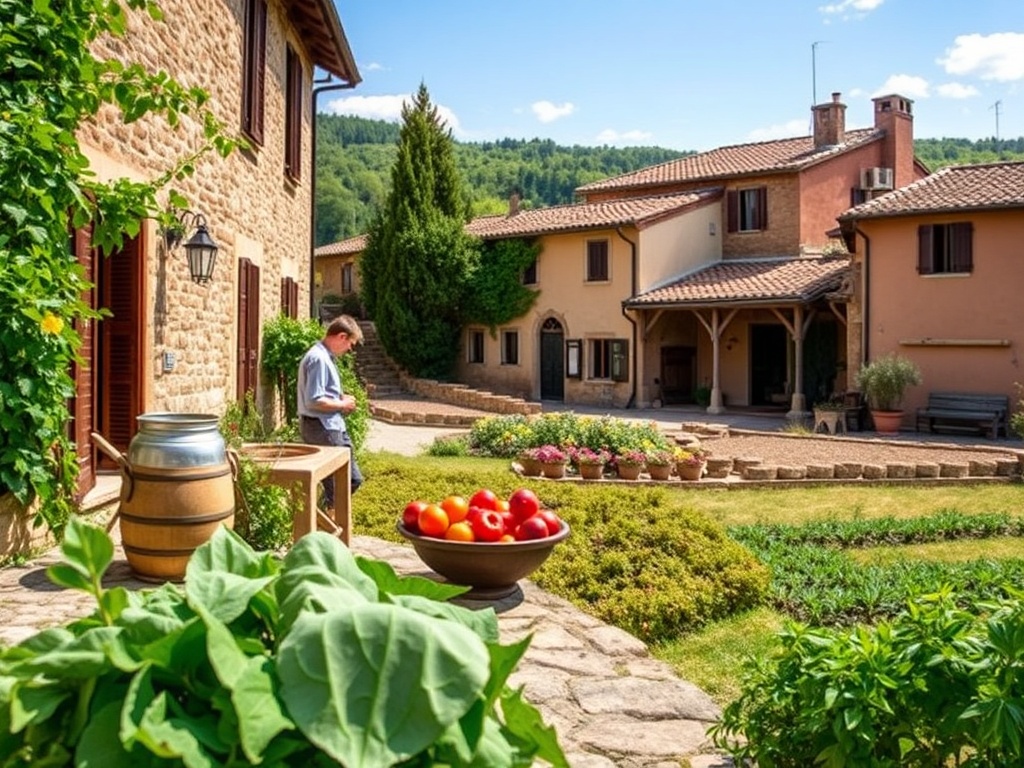

Living by the Land: The Seasonal Pulse of Umbrian Villages
In the heart of Italy, Umbria’s rural villages beat to the rhythm of the land. Time here is not measured by the clock, but by the seasons — each bringing new flavors, rituals, and gatherings. Life unfolds slowly, intimately tied to the cycles of planting, harvesting, and celebrating the bounty of the earth.
From spring’s first wild asparagus to autumn’s prized truffles, **the agricultural calendar shapes daily life and local cuisine**. Visiting these villages means stepping into a world where tradition is alive and every meal tells the story of the land.
Spring Awakening: Greens, Festivals, and Community Joy
As the hills turn emerald green, Umbrians embrace the season of rebirth. Farmers markets overflow with fresh fava beans, peas, and wild herbs. This is also the season of community festivals — like the Festa della Primavera — celebrating fertility and abundance with music, dance, and of course, food.
Traditional spring dishes include:
- Torta al Testo – A rustic flatbread served with seasonal greens and pecorino.
- Strangozzi alle Erbe – Handmade pasta tossed with freshly picked herbs and olive oil.
Foraging plays a central role, with locals hunting wild asparagus and mushrooms, often passed down through generations. According to National Geographic, these foraging traditions are not only culinary but deeply cultural, preserving both biodiversity and identity.
Summer Bounty: Sun-Kissed Produce and Alfresco Feasts
As the sun intensifies, so does the flavor. Tomatoes ripen on the vine, eggplants shine in the fields, and vineyards hum with anticipation. Summer in rural Umbria is about simplicity and freshness — dishes are often served cold or grilled, letting the ingredients speak for themselves.
Typical summer meals might feature:
- Caprese Umbra – Tomatoes, buffalo mozzarella, and basil grown in village gardens.
- Grilled Zucchini and Eggplant – Drizzled with local extra virgin olive oil.
- Rosé wines from small family-run vineyards, perfect for warm evenings.
Many villages celebrate Sagre, food festivals dedicated to a single ingredient — like onions in Cannara or black celery in Trevi — where locals and travelers gather at long communal tables under the stars.
Autumn Abundance: Truffles, Harvests, and Heritage
Autumn is perhaps the most flavorful season in Umbria. Olive groves and vineyards buzz with activity, and the forests yield their most treasured gift: the black truffle. Truffle hunting, guided by skilled dogs and local experts, is a revered ritual here.
Regional specialties highlight these seasonal stars:
- Tagliatelle al Tartufo Nero – Fresh pasta with earthy black truffle shavings.
- Porchetta – Herb-stuffed roast pork, a staple at harvest feasts.
- Vino Novello – The year’s first wine, young and vibrant.
Autumn also marks the olive harvest, a communal effort where families gather to pick olives and press them into oil. This moment, as BBC Travel explores, reflects a timeless bond between people and land — a celebration of labor, legacy, and taste.
Winter Warmth: Hearty Dishes and Fireside Stories
With snow dusting the Apennines and fog cloaking the valleys, winter in Umbria calls for comfort. Kitchens fill with the aroma of slow-cooked legumes, roasted game, and chestnuts. Meals linger longer, often by the fireplace, where stories and wine flow freely.
Signature winter dishes include:
- Zuppa di Farro – A hearty spelt soup with root vegetables.
- Cinghiale in Umido – Wild boar stew with juniper and red wine.
- Castagnaccio – A chestnut flour cake, simple yet rich in history.
Winter is also a time for reflection and preparation — preserving meats, bottling wine, and planning for the next planting season.
Reading the Calendar Before You Book
The four seasons are a useful frame, but the moments that make a farm stay memorable are shorter than a season and often no wider than a fortnight. The grape harvest around Montefalco and Torgiano usually runs from mid-September into early October, depending on the year and the grape; Sagrantino is picked last. The olive harvest starts in the second half of October in the lower valleys and continues through November on the higher slopes above Trevi and Spoleto. New oil, unfiltered and still cloudy, is on farm tables by early November and stays that green and peppery for only a few weeks.
Truffles follow their own timetable. The prized black winter truffle of Norcia is dug from roughly December to March; the milder summer black truffle, known locally as scorzone, runs from June to August and is what most summer truffle hunts actually find. Saffron around Città della Pieve and Cascia is picked in the last two weeks of October, at dawn, for a few days only. The lentil fields of Castelluccio flower between late June and mid-July, a sight that draws crowds on weekends but is quiet on a Tuesday morning.
What Village Rhythms Mean for Your Days
Village life keeps hours that surprise first-time visitors. Shops and small museums close from about one o’clock until four or half past, and many are shut on Monday. Bakeries sell out of torta al testo by late morning. The weekly market, which is where farm families actually buy what they do not grow, takes over the main square for one morning a week and is finished by one; ask your host which day it falls on in the nearest town.
Meals follow the same clock. Lunch is the main meal on a working farm and is served between half past twelve and two; dinner rarely starts before eight, and in summer often later. Sunday lunch is the week’s one long, unhurried meal, and a host who invites you to it is paying you a compliment. If you plan a day out, tell the kitchen the evening before: farm kitchens cook for the number of people expected, not for walk-ins.
Finally, festivals move. A sagra is announced on posters taped to lamp posts a week or two ahead, and dates shift with the harvest and the parish calendar. The reliable way to catch one is to ask in the bar when you arrive; the second most reliable is to look for plastic chairs being stacked outside a village hall.
Why Culinary Seasons Matter: More Than Just Food
Embracing seasonal rhythms isn’t just about eating well — it’s about living well. In Umbrian villages, cuisine is a mirror of nature, community, and memory. Each season brings not only new ingredients, but **new reasons to gather, to celebrate, and to pass on wisdom**.
Travelers who align their visit with the agricultural calendar gain deeper insight into the region’s soul. Whether joining a truffle hunt, attending a harvest festival, or sharing a bowl of soup in winter, the experience becomes immersive and unforgettable.
To taste Umbria is to understand it — one season at a time.
