
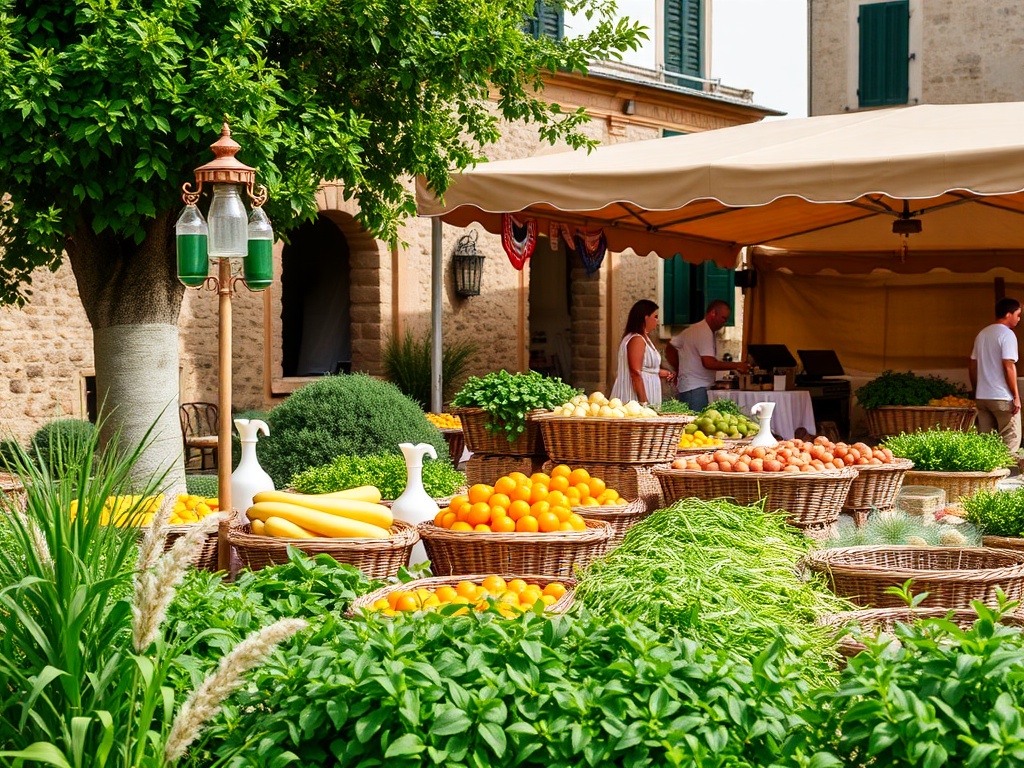

Discovering the Heartbeat of Umbria Through Its Festivals
Umbria, the green heart of Italy, is not only a haven of rolling hills and medieval villages — it’s also a region deeply rooted in agricultural traditions and community celebrations. Throughout the year, small towns and rural communities across Umbria come alive with festivals that honor the land, the harvest, and the people who nurture both.
La Festa della Cipolla di Cannara
Held every September in the quaint village of Cannara, the Onion Festival is a flavorful tribute to one of the region’s most prized ingredients: the sweet red onion. For ten days, streets are filled with the aroma of rustic dishes like cipolla al forno and onion-stuffed focaccia. Local farmers proudly sell their produce while artisans and chefs celebrate the onion’s versatility.
This festival isn’t just about food — it’s a community ritual that reflects the importance of sustainable farming and seed preservation. The event includes agricultural exhibitions, traditional music, and hands-on cooking workshops.
Frantoi Aperti: The Olive Oil Celebration
As autumn paints the Umbrian countryside with golden hues, another beloved festival begins: Frantoi Aperti, or “Open Olive Mills.” Every weekend in November, olive oil farms open their doors to visitors, offering guided tours, tastings, and cultural events.
The initiative, supported by local municipalities, helps visitors understand the ancient art of olive oil production. You can walk among centuries-old olive trees, witness the cold-press process, and sample freshly pressed extra virgin olive oil — a staple of Umbrian cuisine.
According to National Geographic, Umbria produces some of the most prized olive oils in Italy, thanks to its unique climate and traditional methods that preserve the integrity of the fruit.
La Festa della Trebbiatura
Celebrated in mid-summer in towns like Montefalco and Trevi, the Wheat Harvest Festival pays homage to the days when threshing was a collective ritual. Locals dress in period costumes and reenact the old methods of harvesting and threshing wheat using wooden tools and vintage tractors.
What makes this festival truly special is its celebration of rural solidarity and hard work. Visitors are invited to join the process, enjoy communal meals based on wheat products like handmade pasta and bread, and dance to folk music under the stars.
This event also reinforces the value of preserving rural heritage, echoing efforts supported by organizations such as FAO’s Family Farming initiative.
Infiorate di Spello
While not exclusively agricultural, the Infiorate di Spello — a spectacular flower carpet festival held in June — is deeply connected to the land. Villagers collect wildflowers and herbs from the surrounding hills to create intricate floral mosaics that line the streets for the Corpus Domini celebration.
Many of the flowers used are cultivated by local farmers or gathered sustainably, emphasizing the importance of biodiversity and respect for nature. The preparation process involves entire families and communities, reflecting the same collaborative spirit found in farming life.
Why These Festivals Matter
In an age of modern convenience and industrial agriculture, these Umbrian festivals offer a rare window into a lifestyle where land, tradition, and food are inseparably linked. They are not just tourist attractions; they are living expressions of a culture that values seasonality, craftsmanship, and community resilience.
Attending these events means more than sightseeing — it’s about experiencing authentic rural life, supporting local economies, and understanding the rhythms of the earth that still define daily life in Umbria.
More Harvest Feasts on the Umbrian Calendar
The four festivals above are the best known, but almost every product the region grows has its own sagra, a village feast run by volunteers from the local pro loco. A rough calendar helps you plan a trip around them:
- Late February to early March — Norcia: the black truffle fair fills the town with hunters, dogs and the smell of truffled pecorino; stalls sell cured meats and Castelluccio lentils alongside.
- Late June — Bevagna: the Mercato delle Gaite turns the town into a working medieval market for ten days, with taverns serving dishes from period recipes and a rivalry between the four quarters.
- Late June to mid-July — Castelluccio di Norcia: not a festival but a season, the fioritura, when the lentil fields on the high plain bloom red, blue and yellow with poppies and cornflowers. The lentils themselves are harvested in August and celebrated in the village at the end of that month.
- September — Montefalco: the wine week around the Sagrantino harvest, with open cellars, grape-treading and tastings in the main square.
- October — Trevi and the Valnerina: the black celery fair in Trevi, and chestnut feasts in the mountain villages above Spoleto, with roasted chestnuts and new wine.
- Early November — Perugia: the Fiera dei Morti, a fair held for centuries around All Souls’ Day, with food stalls and the first oil of the year.
Dates shift each year to fall on weekends, so check the poster outside the town hall or ask your farm host rather than trusting a date from a previous year.
How to Do a Sagra Well
A village feast has its own mechanics, and understanding them turns a confusing evening into a very good one. You order and pay first at the cassa, a table near the entrance, where you receive a receipt for each dish. You then take the receipts to the relevant stand, collect your plates, and find a seat at one of the long communal tables. Nobody is assigned a place; you sit where there is room, and a family from the next village will pass you the bread without being asked.
Prices are one of the pleasures. A plate of hand-rolled pasta usually costs between 6 and 9 euros, a grilled meat course a little more, and a full evening with wine by the carafe rarely exceeds 15 to 25 euros a person. Bring cash; card readers are rare and the volunteers behind the cassa are often a retired schoolteacher and a teenager. Parking is at the edge of the village, sometimes with a shuttle, and the food usually starts at about 7.30 in the evening and runs late.
A few mistakes to avoid: arriving at midday for a feast that only serves dinner; expecting a menu in English (point at what your neighbour is eating); and underestimating the cold at Frantoi Aperti in November, when the mills are warm but the groves are not. Wear a coat, expect to stand for the bruschetta, and leave room for a second plate — the best sagre have a queue at the dessert stand for a reason.
Planning Your Visit
If you’re planning a trip to Umbria, consider aligning your visit with one of these festivals for an unforgettable immersion into its rural soul. Be sure to check local calendars as dates may vary slightly each year. Most importantly, come with an open heart — and an empty stomach.
