
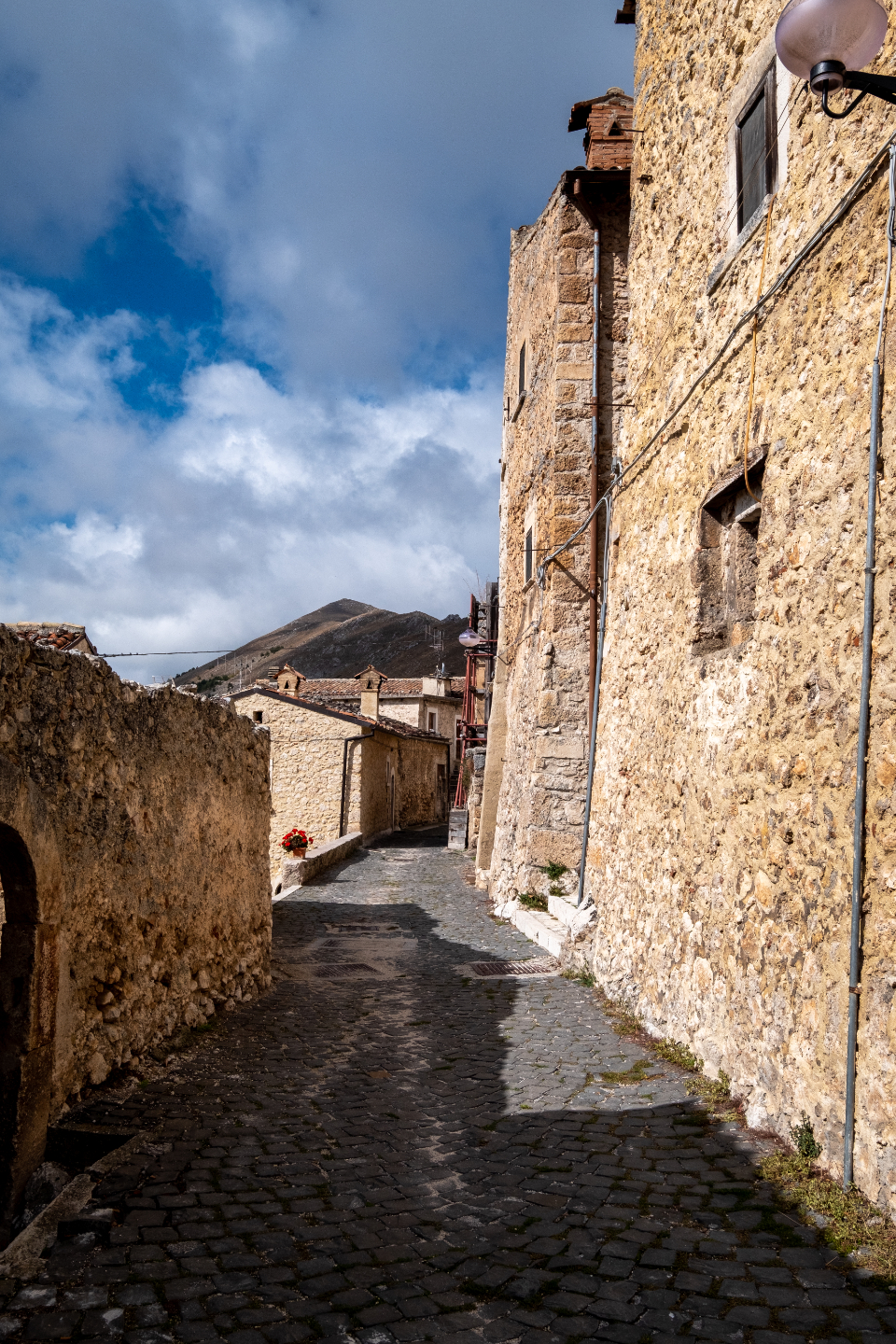

A slow journey through silence, stone, and sky
When I told people I was going to Umbria without renting a car, they looked at me like I was crazy. “But how will you get around?” they asked.
My answer: “I’ll walk.”
And that made all the difference.
What started as a logistical constraint turned into one of the most rewarding travel decisions I’ve ever made.
Planning the Path
I chose a stretch between Spello, Montefalco, and Bevagna — three of Umbria’s iconic hilltop towns, not too far from one another, yet each with a unique character.
I booked stays in small agriturismi and packed light: good shoes, a daypack, water, and a notebook. I used local maps and simple directions from my hosts. No GPS, no stress.
Most paths were old country roads, olive grove trails, and quiet farm lanes. No traffic. Just me, the birds, and the land.
The Walks Themselves
Spello to Bevagna
Downhill through vineyards and fields, the smell of fennel in the air. A few tractors passed. A dog barked in the distance. I arrived in Bevagna just in time for market day — local cheese, olives, smiles.
Bevagna to Montefalco
This one was uphill. I took my time. Stopped for shade under a fig tree. Drank from a stone fountain. When I reached Montefalco, the view made me forget every step — golden light across the entire valley.
I spent two nights in each place, which gave me time to rest, write, and explore slowly. No rushing, no schedule.
Life Along the Way
Walking between villages allowed me to see the in-between — the parts that most travelers miss when driving. A farmer tending his vines. A grandmother sweeping her front step. A hidden chapel at the edge of a path.
One morning, I was invited in for coffee by an older couple who saw me pass. No English, no Italian on my side, but plenty of gestures and laughter. I left with warm bread and a full heart.
Tips for Walking Without a Car
- Travel light — every step counts
- Ask locals for advice — they know the safest and most scenic routes
- Plan farm stays or small inns that are close to your next stop
- Be flexible — sometimes the detour is the best part
- Carry water, a hat, and a bit of cash — small towns may not have ATMs
You don’t need to be a serious hiker. Just someone curious, open, and willing to take the road less paved.
Getting There and Back on Rails and Buses
The first practical question was how to reach the start without a car. The answer was simpler than I expected. Spello has its own small railway station on the regional line between Perugia and Foligno, and a train from Perugia takes about twenty-five minutes for a ticket of a few euro; from Rome, one change at Foligno puts you there in under two and a half hours. The station sits at the bottom of the hill, so the walk up through the Roman gate is the first climb of the trip.
Bevagna and Montefalco have no stations. That did not matter on the way out, because I was walking, but it did on the way home. Both are served by local buses to Foligno, which run a handful of times a day on weekdays and barely at all on Sundays. I checked the timetable in the bar the evening before, bought a ticket at the tobacconist, and was on a train from Foligno by mid-morning. If you would rather not wait, a taxi from Montefalco to Foligno station costs roughly 25 to 35 euro.
A Third Leg: Montefalco to Trevi
On the last day I added a stage I had not planned. From Montefalco I walked east, dropping through the Sagrantino vineyards toward the valley floor, then across flat farmland and under the old Roman road, the Flaminia, before climbing again into the olive terraces of Trevi. It is roughly twelve kilometres and took me a long morning with stops.
Two kilometres before Trevi I made a detour to the springs of the Clitunno, a pool of water so clear that the Romans wrote poems about it, with a small Lombard chapel just up the road. Entry to the springs is a couple of euro, and I sat on the grass for an hour eating bread and cheese bought in Montefalco. Trevi itself is steeper than either Spello or Bevagna, a spiral of lanes wound tight around a hill, and its oil is some of the best in Italy. I finished with a plate of strangozzi at a trattoria on the square and slept better than I had in months.
What It Cost and How Long It Took
People assume slow travel is expensive because it takes time. In practice this was one of the cheapest weeks I have spent in Italy. The distances are short: about ten kilometres from Spello to Bevagna, seven from Bevagna to Montefalco, and twelve on to Trevi. Each stage is a morning, which leaves the afternoon for the town and the evening for dinner.
- Accommodation — 70 to 120 euro a night for a double in a farm stay or small inn, breakfast included.
- Dinner — 25 to 40 euro a person for several courses and house wine at the farm; less at a trattoria.
- Transport — under 20 euro in total for the trains and bus between Perugia and the villages.
- Extras — a few euro for the springs, a market lunch, a bottle of oil to carry home.
Six nights, three towns, one pair of shoes, and no fuel, parking or ZTL fines — the restricted traffic zones that catch so many drivers in these walled villages. I would not have seen the fig tree, the fountain or the old couple with the coffee from behind a windscreen.
Final Thoughts
Walking between villages in Umbria isn’t always easy — it’s hot, it’s slow, and it takes effort. But it brings you into contact with the land, the people, and yourself in a way no car ever could.
In every footstep, I found stillness.
In every hill, a view that made it worthwhile.
And in every moment of quiet, a memory that stayed long after the journey ended.
If you’re willing to go slow, Umbria will walk with you.
