
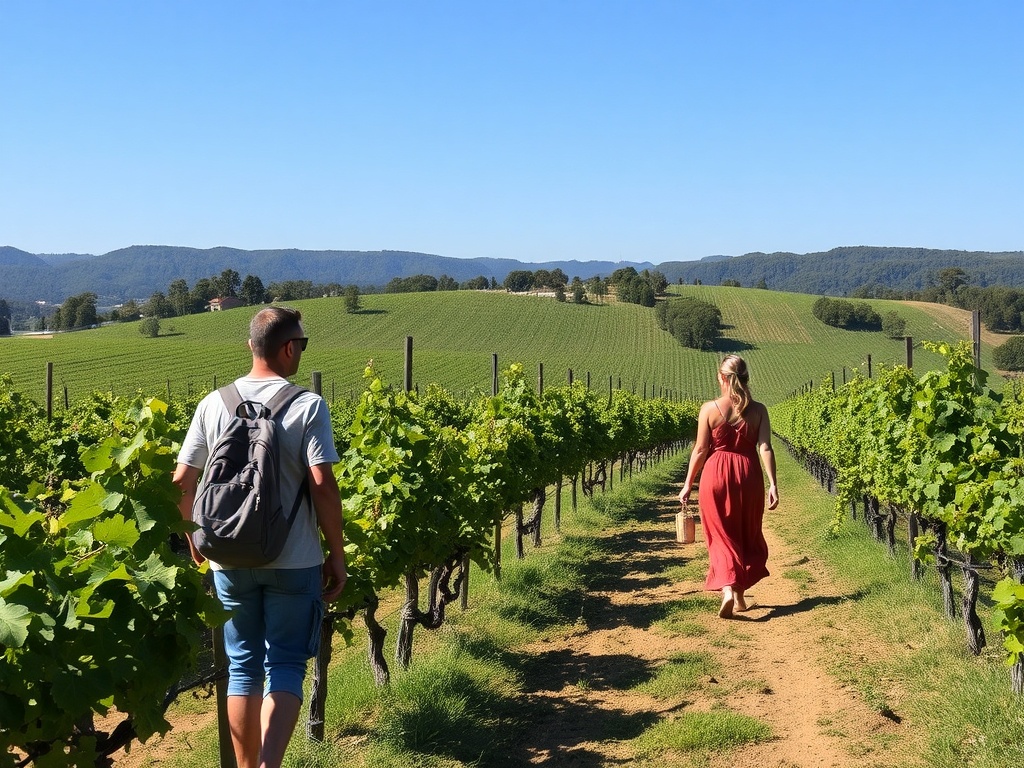

Discovering Umbria Through Its Vines
In the heart of Italy, far from the bustling cities and tourist-packed landmarks, lies Umbria — a region where time slows down and traditions bloom amidst rolling hills and ancient vineyards. Here, walking through vineyards is more than a scenic stroll; it’s a cultural immersion, a chance to meet local winemakers, and to taste the soul of a land that has cultivated wine for centuries.
The Magic of Vineyard Walks
Imagine the gentle crunch of gravel underfoot, the warm sun on your shoulders, and the sweet scent of ripening grapes in the air. Vineyard walks in Umbria offer precisely that — a sensory journey across rows of Sangiovese, Grechetto, and Sagrantino grapes. These strolls are often guided by passionate vintners who not only share their knowledge but also their family histories and philosophies rooted in the soil.
What Makes It Special?
- Authentic experiences with local families who have cultivated vines for generations
- Insightful stories about traditional and organic winemaking methods
- Exclusive tastings of rare vintages right in the vineyards
Meet the Winemakers
The soul of Umbria’s wine culture lies in its people. Many winemakers here operate small, family-run estates where every bottle is a product of love, patience, and deep-rooted knowledge. Joining a vineyard walk gives visitors a chance to engage directly with these artisans.
You’ll learn how grapes are harvested by hand, how barrels are carefully selected, and how terroir — the unique blend of soil, climate, and tradition — shapes the flavor of each wine. According to National Geographic, Umbria is quickly becoming one of Italy’s most authentic wine destinations, precisely because of such intimate experiences.
From Vine to Table: The Culinary Connection
Wine in Umbria doesn’t exist in isolation. It is deeply intertwined with the region’s culinary traditions. Many vineyard tours culminate in rustic meals prepared using local products: truffles, lentils, pecorino cheese, and freshly baked bread are staples of these unforgettable feasts.
Pairing wine with food is an art that Umbrian winemakers have perfected. They’ll guide you through the tasting process — explaining how each element in the dish complements the structure, acidity, and aroma of the wine. As emphasized by the Umbrian regional tourism board, wine and food tourism here is a key part of preserving and promoting local culture.
Seasons of the Vine
Every season brings a unique charm to vineyard walks:
- Spring: Budding vines and wildflowers paint the hills with color
- Summer: Clusters of grapes begin to mature under the golden sun
- Autumn: Harvest time — the most festive and active season
- Winter: A quieter landscape, ideal for reflective walks and cellar tastings
No matter the time of year, the connection between land and people remains palpable and profound.
Tips for an Enriching Experience
- Wear comfortable shoes — vineyard paths can be uneven
- Bring a notebook or use your phone to jot down tasting notes
- Don’t be shy — ask questions! Winemakers love to share their passion
- Go slow and savor — both the wine and the stories
Umbria’s Wine Map in Three Zones
Most vineyard walks fall into one of three landscapes, and knowing which one you are in changes what you should expect in the glass. Around Montefalco, between Foligno and Spoleto, the star is Sagrantino, a thick-skinned red grown almost nowhere else. It ripens late, is usually picked in October, and carries some of the highest tannin levels of any grape in the world, which is why the dry version needs years in bottle and why the traditional sweet passito, made from grapes dried on racks, was for centuries the way most families drank it. The lighter Montefalco Rosso, based on Sangiovese with a share of Sagrantino, is what locals actually open on a weeknight.
West of the Tiber, Orvieto is white-wine country. Grechetto and Trebbiano grow on the tufa plateau below the cathedral town, and the cellars are dug straight into the soft volcanic rock, cool in August without any machinery. In good autumns the humidity of the Paglia valley allows a noble-rot dessert wine that surprises visitors who know Orvieto only as a light table white.
The third zone is the Trasimeno and Torgiano hills, gentler and mixed, where family estates grow everything from Grenache to Chardonnay and where the small town of Torgiano holds its own DOCG for aged reds. A recent revival worth asking about anywhere near Spoleto is Trebbiano Spoletino, an old local white once trained up living trees and now bottled on its own by a handful of growers.
Booking, Costs and Harvest Etiquette
Small estates rarely have a tasting room open all day, so a walk needs to be booked, ideally a week ahead in September and October. A guided walk with a tasting of three or four wines typically costs between 15 and 30 euros a person; add a farm lunch and the figure rises to somewhere between 40 and 70. Cellar-door prices are lower than in shops abroad but not cheap: expect roughly 10 to 18 euros for a Montefalco Rosso and 20 to 40 for a Sagrantino, and ask about shipping a case, which most estates now arrange.
The harvest itself deserves a warning. Grechetto comes in from early September; Sagrantino may wait until mid-October. Some estates welcome guests into the vendemmia, but it is not a demonstration. You will be given secateurs and a crate at seven in the morning, the rows are long, and the back complains by eleven. Guests who ask to help and then leave after an hour are remembered, not fondly. The reward is lunch with the picking crew, which no tour can book.
- Common mistake: turning up unannounced during fermentation and expecting a cellar tour. The winemaker is pumping over tanks and has no time.
- Driving: Umbria’s vineyards are reached by narrow roads and there is no public transport between estates. Spit at tastings, share one driver, or ask your farm host to arrange a car for the afternoon.
- Ask about the year: a spring frost or a wet September changes the story of every wine on the table, and growers would rather tell it than recite tasting notes.
Conclusion: More Than Just Wine
Walking through vineyards in Umbria isn’t just about wine. It’s about connection — to nature, to tradition, and to the people who keep it alive. Whether you’re a wine connoisseur or a curious traveler, these immersive journeys will leave you with more than just a good taste in your mouth — they’ll leave you with lasting memories and a deeper appreciation for this enchanting region.
