
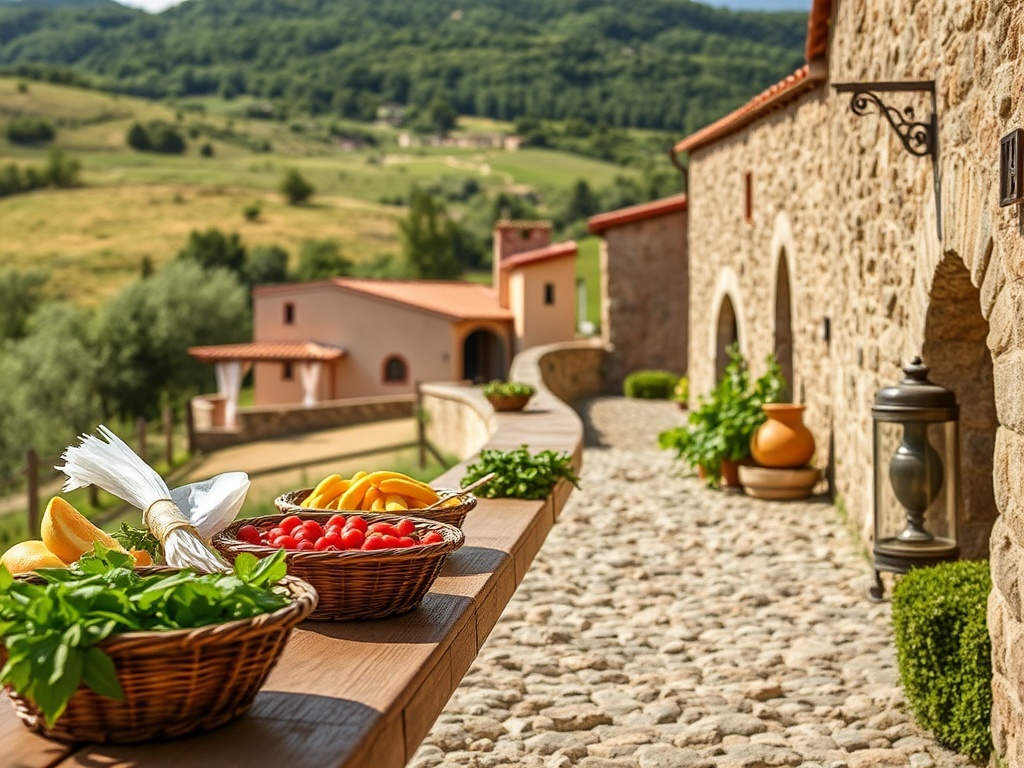

Discovering the Soul of Italy Through Umbria’s Countryside
Nestled in the heart of Italy, Umbria remains one of the country’s most authentic and untouched regions. Far from the crowds of Tuscany or the glamour of the Amalfi Coast, this landlocked gem invites travelers to slow down and savor life—bite by bite. Its rolling hills, medieval hill towns, and fertile valleys are not just picturesque; they are the cradle of centuries-old food traditions that have shaped Italian cuisine at its roots.
Farm-to-Table: A Way of Life, Not a Trend
In Umbria, the farm-to-table philosophy isn’t a fashionable movement—it’s simply how people have always eaten. Families still cultivate their land as they did generations ago, producing **organic vegetables, extra virgin olive oil, heirloom legumes, and artisanal cheeses** that rarely leave the region. Here, food is not just sustenance; it is identity, heritage, and celebration.
Local Farms Preserving Culinary Traditions
Across the Umbrian countryside, small farms open their doors to visitors eager to experience traditional rural life. Whether it’s pressing olives in November or truffle hunting in the misty woods of Norcia, these immersive experiences connect guests with the land and its people.
- Cheese-making workshops with shepherds who teach the secrets of pecorino and ricotta.
- Seasonal harvests where you can pick grapes, olives, or saffron by hand.
- Pasta-making classes using eggs from the henhouse and flour milled just down the road.
The Flavors of Umbria: Simple, Earthy, and Bold
Umbrian cuisine is rooted in rustic simplicity. It draws from what the land gives, enhanced by traditional methods that elevate humble ingredients. Think hearty lentil soups, wild boar ragù, and bruschetta drizzled with just-pressed olive oil. The region also boasts a strong wine culture, with Sagrantino and Grechetto offering bold, complex notes that pair beautifully with the local fare.
The Role of Seasonal Eating
One of the most remarkable aspects of Umbrian gastronomy is its strict adherence to the seasons. **Menus change not by the chef’s whim but by the rhythm of the earth.** In autumn, truffles and chestnuts dominate. Spring brings fresh fava beans and wild asparagus. This cyclical approach not only ensures freshness but also sustains biodiversity and supports local ecosystems.
Why Umbria Remains a Hidden Culinary Treasure
Unlike more commercialized regions, Umbria has resisted mass tourism and industrial agriculture. Its culinary culture remains deeply local and fiercely protected. This authenticity allows visitors to enjoy a food experience that is both **intimate and profound**. The region’s commitment to preserving its traditions has even drawn the attention of global organizations working to protect food heritage, such as Slow Food International.
Moreover, Umbria’s gastronomic appeal is increasingly recognized in academic circles, with institutions like the University of Gastronomic Sciences highlighting the region’s role in sustainable food systems and cultural preservation.
The Products Behind the Reputation
Umbria’s reputation rests on a short list of things that are grown or made nowhere else in quite the same way. The lentils of Castelluccio, small, thin-skinned and never soaked, come from a single high plain at about 1,300 metres and carry an IGP mark. The cured pork of Norcia gave the Italian language the word norcineria for a pork butcher; its prosciutto is also IGP-protected. The Trasimeno shore keeps a tiny bean called fagiolina, the flat red onion of Cannara is sweet enough to eat raw, and Trevi grows a black celery that is celebrated for one weekend each October and largely ignored the rest of the year.
Olive oil is the everyday product that visitors most underestimate. Umbria DOP covers five named sub-zones, from the Colli Assisi-Spoleto belt down to the Colli Orvietani, and the oil is typically pressed from Moraiolo, Frantoio and Leccino olives picked early, which is why it tastes of artichoke and cut grass and catches at the back of the throat. In wine, the region has two DOCG reds, Montefalco Sagrantino and Torgiano Rosso Riserva, alongside the white Orvieto and the Grechetto grown almost everywhere else.
- Castelluccio lentils IGP — cooked in twenty minutes, served with sausage or simply with oil.
- Norcia prosciutto IGP — pear-shaped, salted longer than Parma, saltier and denser on the tongue.
- Umbria DOP olive oil — look for the harvest year on the label; anything older than eighteen months has lost what made it special.
- Montefalco Sagrantino DOCG — among the most tannic reds in Italy; the sweet passito version is the older tradition.
How to Find the Real Thing
Because none of this is mass-produced, the challenge is not finding good food but telling a working farm from a country hotel with a vegetable patch. A few signs help. A farm that presses its own oil will have a frantoio, or a standing arrangement with the village mill, and will happily tell you the date of the last pressing. A farm that makes cheese will have animals within earshot. Menus that change with what was picked that morning, and that shrink rather than grow in winter, are a good sign; a laminated menu that is the same in February and August is not.
Prices are a useful test too. At the mill in November, new oil sells for roughly €12 to €20 a litre; a farm dinner of three or four courses with the house wine generally costs €25 to €40 a head; a half-day workshop, whether pasta, cheese or a truffle walk, runs from about €40 to €90 per person. Anything far below those ranges is probably not made on the premises, and anything far above is paying for the setting rather than the plate.
The best guide of all is the sagra calendar. Every product on the list above has a village festival built around it, usually in the weeks just after its harvest, and the producers who cook at those festivals are the ones worth visiting afterwards. Ask at the stand, not at the tourist office.
Experience It Yourself
For travelers seeking an immersive, hands-on journey through Italy’s culinary heart, Umbria offers a rare opportunity: to cook, taste, and live as the locals do. Whether you’re dining under a vine-covered pergola or learning to knead dough alongside a nonna, every moment becomes a memory infused with flavor and tradition.
Umbria isn’t just a destination—it’s a sensory voyage through Italy’s rural soul. Don’t just visit it. Taste it, smell it, and let it change the way you understand food.
