

A Journey Beyond the Beaten Path
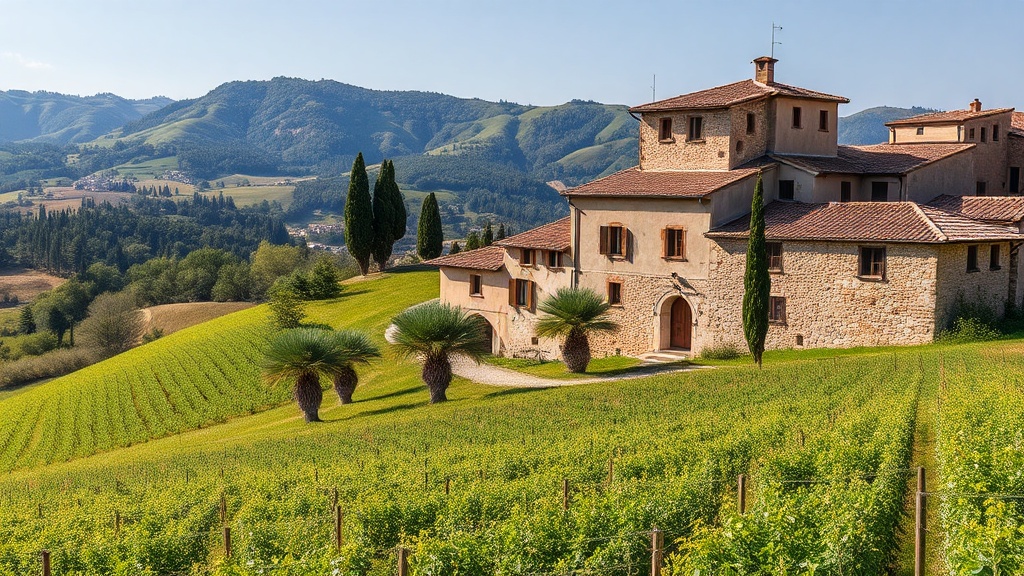
Umbrian landscapes are often described as timeless, dotted with olive groves, rolling vineyards, and rustic stone farmhouses. While many travelers know Tuscany for its countryside allure, Umbria remains a hidden gem where rural life thrives in its most authentic form. To truly step into the heart of this Italian region, there is no experience more rewarding than immersing yourself in the daily rhythm of local farms.
Living Traditions on Local Farms
What makes an agriturismo stay in Umbria remarkable is not only the scenic charm but also the cultural depth that welcomes visitors. Families that have worked the land for generations open their homes to curious travelers eager to learn about regional farming practices. From olive oil production to small-scale cheese-making, every aspect tells a story of resilience and passion.
- Olive harvests: Visitors can participate in picking olives by hand before watching them pressed into golden-green oil.
- Wine tastings: Local winemakers offer cellar tours where Sagrantino di Montefalco takes center stage.
- Farm-to-table workshops: Learn how to prepare pasta or traditional Umbrian soups alongside passionate farmers’ families.
An Anecdote from the Countryside
I recall meeting an elderly farmer near Trevi who guided us through his centuries-old olive grove. With weathered hands, he explained how each tree had been planted by his ancestors. Later that evening, over a simple dinner featuring bruschetta drizzled with fresh oil, we realized we weren’t just eating—we were tasting history. These encounters transform travel memories into something unforgettable.
Culinary Encounters Worth Remembering
The food culture in Umbria is deeply connected to its farmlands. Truffles from Norcia add earthy decadence to handmade tagliatelle; lentils from Castelluccio bring comfort during cool mountain evenings; pecorino cheeses are enjoyed under pergolas overlooking valleys. Participating in cooking classes or seasonal festivals allows you to savor flavors while understanding their roots in rural toil and joy.
Sustainable Tourism at Its Core
Agriturismo experiences not only preserve traditions but also support sustainable tourism models. By staying on these family-run farms and participating directly in agricultural activities, travelers contribute positively to local economies while gaining insight into eco-friendly practices tied closely with nature’s cycles. For those seeking additional resources on sustainable travel choices across Europe, websites such as Slow Food International offer valuable guidance.
The Perfect Balance Between Rustic Charm and Comfort
If you’re worried about missing out on comfort during your rural escape—fear not! Many Umbrian agriturismi combine rustic authenticity with modern amenities such as cozy private rooms, swimming pools nestled among vineyards, or even wellness retreats designed around natural rhythms of rural life. Pairing this type of immersive journey with thoughtful logistics can elevate your trip beyond expectations—for instance considering options like Transport de luxe et événements spéciaux Explorati, which ensures that moving between regions or events complements rather than detracts from your immersion.
What a Day on the Farm Actually Looks Like
The word immersive gets used loosely, so it helps to describe an ordinary day. Breakfast on most Umbrian farms is set out between eight and half past nine: bread from the village or the farm’s own oven, homemade jam, a crostata, cheese and cold cuts on the tables of families who keep animals, and coffee from a moka pot rather than a machine. Guests who want to join the morning’s work are usually asked to say so the night before, because the family starts early and will not wait.
The middle of the day belongs to lunch and heat. Work in the groves and fields stops by half past twelve; in summer nothing much moves again before four. This is the time to read under the pergola, swim if the farm has a pool, or drive to the nearest town, which will be equally quiet. Late afternoon is when hosts have time to talk, show the cellar, or walk the boundary of the property, and it is when most of the small lessons of a farm stay happen.
Dinner, where it is offered, is served at a fixed hour, usually eight or half past, and often at one long table. It is rarely more than four courses and is almost always what the family is eating too. Expect a bottle of the house wine left on the table, and expect the evening to end early: farm households are asleep by eleven.
Choosing the Right Farm for What You Want
Umbria is small, but its farms specialise by district, and the district you choose decides what you will see. The slopes between Trevi, Spoleto and Assisi are olive country, at their busiest from late October. Montefalco and Bevagna are wine, with the harvest in September and cellars open year-round. The high valleys around Norcia are truffle, cured pork and lentils, and are at their most interesting in winter. The Trasimeno shore is lake fish, beans and quiet water; Città della Pieve, in the west, is saffron and a two-week October harvest.
- Working farm or country house? Ask what the family produces and sells; a real farm can answer in one sentence.
- How many rooms? Four to eight rooms usually means family-run meals; twenty or more means a restaurant with a kitchen staff.
- What does it cost? A double room typically runs €70 to €140 a night, half-board adds €25 to €40 per person, and hands-on workshops cost about €40 to €90.
- Can you get there without a car? Usually not; if you will not be driving, choose a farm that offers station pick-up from Foligno, Spoleto or Orvieto.
Tying It All Together: Culture Meets Exploration
An Umbrian farm stay is more than accommodation—it’s an awakening of senses where every moment reconnects you with heritage and nature itself. Whether kneading dough beside nonna in her farmhouse kitchen or riding horses across lush meadows near Assisi’s hillsides, these are experiences no guidebook alone can describe. To delve deeper into Italy’s diverse culinary background and agricultural identity nationwide, portals like European Heritage Taste Network provide further inspiration for epicurean explorers worldwide.
In essence: Traveling through Umbrian farms invites you into a living museum where food rituals meet family stories—and every sunrise reveals another layer of rural soul waiting to be discovered.
