
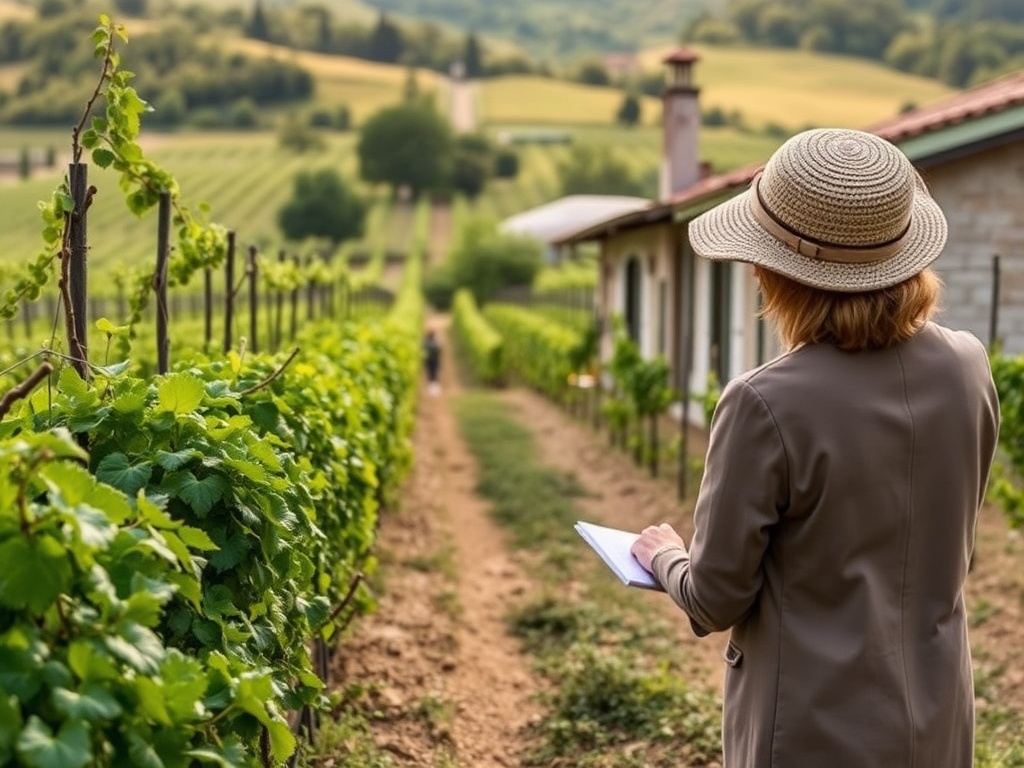

Discovering the Rhythms of Rural Umbria
Nestled in the heart of Italy, Umbria invites travelers to reconnect with the land through its vibrant farming traditions and mouthwatering cuisine. But to truly savor the region’s essence, timing is everything. From olive harvests to truffle hunts, each season offers a unique gateway into the soul of Umbrian rural life.
Spring Awakening: A Time of Renewal
Spring (March to May) is when Umbria sheds its winter coat and bursts into color. The countryside comes alive with blooming wildflowers, and farms begin planting their seasonal crops. This is the perfect time for travelers who prefer mild weather and fewer crowds.
What to expect in spring:
- Fresh goat cheese production
- Young vegetables like asparagus and artichokes
- Traditional Easter celebrations with seasonal pastries
It’s also the season when many agriturismi reopen their kitchens, showcasing early spring ingredients in hearty, rustic dishes. According to BBC Travel, Umbria remains one of Italy’s best-kept culinary secrets—especially in spring when menus shift with the land’s natural rhythm.
Summer Abundance: A Feast for the Senses
From June to August, the Umbrian sun ripens vineyards and vegetable gardens alike. This is the high season for food-lovers seeking immersive farm experiences. Think of long, golden days spent picking tomatoes, learning to make pasta by hand, and enjoying farm-to-table dinners under the stars.
Highlights of the summer season:
- Wine tasting during early grape maturation
- Cooking classes focused on summer produce
- Traditional festivals like the Infiorata flower celebrations
While summer offers the richest variety of ingredients, it can also be warm and crowded. Booking rural stays in advance is essential to fully enjoy the charm of Umbrian hospitality.
Autumn Harvest: The Culinary Peak
If you’re after the most authentic food journey, autumn (September to November) is unbeatable. This is harvest season—when wineries, olive groves, and truffle forests beckon visitors to taste the land’s bounty.
Why autumn is the best time for foodies:
- Olive oil pressing and tastings
- Truffle hunting excursions with local guides
- Grape harvest festivals and wine pairings
During this period, the landscape turns to gold and crimson, making it ideal for scenic walks between farms and medieval villages. According to National Geographic, fall in Umbria offers some of the most picturesque and flavorful experiences in Italy.
Winter Quietude: A Hidden Gem
Though often overlooked, winter (December to February) has its own charm. The pace slows, and the focus turns to comfort food, roaring fireplaces, and intimate cooking sessions. This is an ideal time for those seeking peace and deeper connections with hosts.
Winter specialties include:
- Black truffles and hearty stews
- Homemade sausages and cured meats
- Seasonal desserts like panpepato and torcolo
The crisp air and foggy mornings lend a magical atmosphere to the countryside—perfect for cozying up in a stone farmhouse while savoring a bowl of strangozzi pasta.
Planning Your Visit: Tips for a Memorable Stay
Whichever season you choose, consider these tips to make the most of your Umbrian farm journey:
- Travel light but bring layers—weather can shift quickly, especially in spring and autumn.
- Learn basic Italian phrases to better connect with local farmers.
- Book agriturismi in advance, particularly during harvest and summer festivals.
Above all, keep your itinerary flexible. The beauty of rural Umbria lies in its surprises—whether it’s a spontaneous vineyard tour or a neighbor inviting you to taste their homemade pecorino.
A Harvest Calendar You Can Plan Around
The four seasons are a useful frame, but farm life in Umbria moves in shorter windows than that, and a difference of two weeks can decide whether you press olives or simply look at the trees. If a specific harvest is the point of your trip, plan around the crop, not the month.
- Late June to early July: the lentil fields of Castelluccio di Norcia bloom on the Piano Grande, streaking the plateau with red, blue and yellow. The lentils themselves are cut in late July and August.
- Mid-September to mid-October: the vendemmia. Grechetto and Trebbiano come in first around Orvieto and the Colli Martani; Sagrantino, the last to ripen, is picked around Montefalco in the first half of October.
- Mid-October to late November: olive picking, with the frantoi running day and night. The new oil (olio nuovo) is at its most peppery in the first weeks after pressing.
- Late October: saffron harvest around Cascia, one flower at a time, before dawn.
- December to March: black winter truffle season around Norcia and the Valnerina, with the Nero Norcia fair usually at the end of February.
- January to February: the traditional pig slaughter and norcineria work: salami, capocollo and prosciutto going into the cellars.
Weather, not the calendar, has the final say. Truffles follow altitude and rainfall, so a dry autumn pushes the black truffle later, while a wet one brings the summer truffle (scorzone) on early. Ask the farm what came in last year and what they expect this year before you fix your dates.
Timing Mistakes That Cost Visitors the Experience
The most common one is arriving in the second half of August expecting a working farm. Italy is on holiday, the fields are baked, and while the agriturismo kitchen will be open, many farmers are at the beach or resting between the grain and the grape harvests. Ferragosto (15 August) in particular is a family day; do not expect a cooking lesson.
The second is booking the olive harvest as if it were a show. Picking is repetitive work in cold, often wet weather, and the press, the frantoio, is a noisy industrial room where you may wait an hour for your farm’s turn. It is a wonderful day, but it is a workday. Wear old clothes, bring gloves, and expect to be useful rather than entertained. Between €40 and €90 per person for a half-day with lunch and a bottle of the oil you helped make is a fair range; anything much cheaper usually means you are watching from behind a rope.
The third is forgetting how much closes in the shoulder months. From mid-November to Easter a good number of family-run agriturismi shut entirely, and those that stay open serve dinner only on request. Restaurants in the hill towns commonly rest on Monday or Tuesday. The upside is that winter guests are often eating in the family kitchen rather than the dining room, which is exactly what most people came for.
Finally, watch the town calendars. Perugia fills for Umbria Jazz in July and for Eurochocolate in October, Spoleto for its festival in late June and early July, and Assisi around the feast of St Francis on 4 October. Rooms within 20 km of those towns roughly double in price on those dates, and the quiet farm you pictured will be sharing its lanes with day-trippers. Book either well before, or aim for the week after.
Conclusion: Follow the Seasons, Taste the Soul of Umbria
Each time of year in Umbria offers a different flavor, a new story, and a deeper connection to the land. Whether you’re wandering through olive groves in autumn or kneading pasta dough on a summer afternoon, the region rewards those who travel with curiosity and respect for tradition.
Let the seasons guide you, and you’ll discover not just the food of Umbria—but its heart.
