
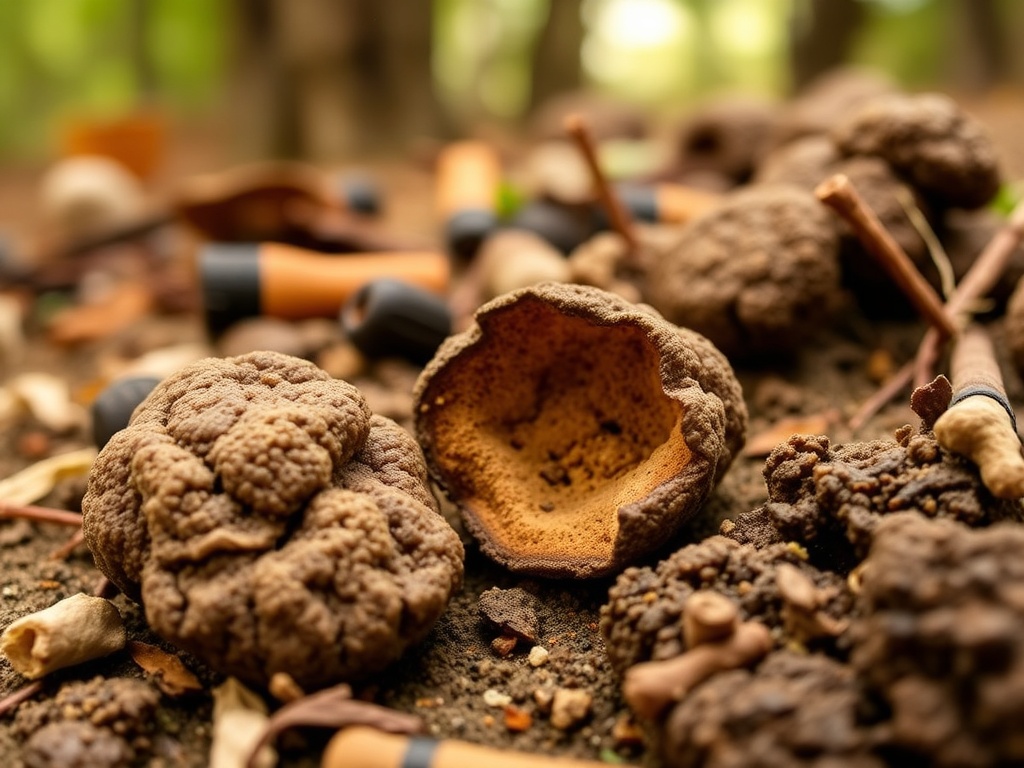

Discover the Magic of Truffle Hunting in Umbria
Nestled in the heart of Italy, Umbria is a region where ancient woodlands, rolling hills, and time-honored traditions merge into a unique rural experience. Among its most captivating treasures is the truffle hunt—a journey deep into the forests alongside seasoned local farmers and their loyal dogs. This isn’t just a walk in the woods; it’s an immersive dive into the region’s gastronomic soul.
Why Join a Guided Truffle Hunt?
Truffle hunting is more than a culinary pursuit—it’s a cultural ritual passed down through generations. Guided by local tartufai (truffle hunters), you’ll explore hidden paths, learn to read the forest, and witness the incredible bond between hunter and dog.
These experiences offer:
- Authentic contact with Umbrian nature, far from tourist trails
- Insight into traditional truffle-hunting techniques
- Hands-on participation in the search for black and white truffles
- Delicious tastings of truffle-based dishes prepared on local farms
The Forests Where the Magic Happens
The best truffle spots are often kept secret, passed down like family heirlooms. However, the lush areas around Spoleto, Norcia, and Gubbio are known for their rich truffle deposits. These wooded regions are home to both the prized tartufo nero (black truffle) and the elusive tartufo bianco (white truffle), each thriving in different seasons and soil conditions.
According to a report by National Geographic, Umbria remains one of the most prolific regions for truffle production in Europe, thanks to its unspoiled environment and sustainable harvesting practices.
Meet the Farmers: Keepers of Tradition
Local farmers are the heart of the truffle hunting experience. Many of them come from families who’ve worked the same land for centuries. With pride and passion, they share their deep knowledge of the ecosystem, explaining how weather patterns, tree species, and soil types influence truffle growth.
It’s not uncommon for guests to be invited into the farmhouse kitchen afterward, where seasonal truffles are transformed into simple yet sublime dishes—fresh pasta with shaved truffle, truffle-infused oils, or rustic bruschetta topped with truffle pâté.
When to Go: Timing Your Truffle Experience
Truffle hunting in Umbria is a year-round activity, but each season offers a different variety:
- Winter (November–March): The season for white truffles, intense and aromatic
- Summer (May–August): Time for the black summer truffle, milder but rich in flavor
- Autumn (September–November): The peak for black truffles, especially in Norcia
Planning your visit around these seasons ensures the best chance to participate in active hunts with optimal yields. Truffle fairs and local festivals often coincide with harvest peaks, adding cultural richness to your journey.
Enhance Your Trip: Culinary Workshops & Farm Stays
Many farms in Umbria combine truffle hunts with cooking classes, offering visitors a chance to learn how to prepare regional dishes using fresh truffles and other farm-grown ingredients. Pair your meal with local wines and you have the perfect Umbrian table.
For those seeking a deeper connection, farm stays allow guests to live the rhythm of rural life—feeding animals, picking olives, or simply enjoying the sunset over the hills. According to Encyclopedia Britannica, such agritourism experiences are an integral part of Umbria’s identity and economy, offering sustainable tourism rooted in authenticity.
What a Hunt Costs and How to Book One
Prices in Umbria are fairly consistent once you know what is included. A shared morning hunt of two to three hours with a tartufaio, a dog and a tasting afterwards usually runs between €60 and €120 per person. A private hunt for a couple or a family costs roughly €150 to €280 for the group, and a full-day package that adds a cooking class or a long lunch in the farmhouse can reach €150 to €200 per person. Children are often half price or free under six.
Book two to three weeks ahead for the summer truffle season and four to six weeks ahead for late October through December, when the black truffle is at its best and the fairs bring demand. Hunts leave early, typically between 7 and 9 in the morning, because the dogs work best before the ground warms and the scent fades. Rain the night before is good news; a hard frost or a week of drought is not, and an honest guide will tell you so and offer another date.
A few questions worth asking before you pay a deposit:
- Who keeps the truffles? By custom they belong to the tartufaio. Some farms let you take home a small piece; others sell you what was found at market weight. Both are fair, but know which.
- Is the hunt on their own land or on public woodland? Both are legitimate, but a hunt on the family’s own truffle grounds (a tartufaia) is usually where the good stories come from.
- How many guests per dog? More than eight people around one dog means most of the morning is spent watching other people watch the dog.
- What happens if nothing is found? Reputable hunters do not stage a find by burying a truffle beforehand. A good one will say plainly that some mornings are empty, and the tasting is guaranteed either way.
On the Ground: What to Wear and What You Will Actually See
Dress for a walk in real woodland, not a stroll in a park. Ankle boots or sturdy trainers with grip, long trousers against brambles and ticks, and a layer for the cold start; oak and hazel woods above Norcia and Spoleto are several degrees cooler than the valley in the morning. Leave perfume at home, since it can distract the dog, and bring a small bag for the piece of truffle you may be offered.
The dog is the whole show. Most Umbrian hunters work with the Lagotto Romagnolo, a curly, medium-sized breed with a nose for the job and no interest in eating what it finds, though you will also see spaniels, pointers and a fair number of mixed breeds that are simply good at it. Watch how the hunter reads the dog: the sudden change of pace, the circling, the paws going in. That is the moment the hunter steps in with the vanghetto, a narrow spade, and lifts the truffle out by hand so the mycelium stays undisturbed for next year. A licensed tartufaio in Umbria has passed an exam and pays an annual fee; the licence, and the closed seasons for each variety, exist to keep the woods productive.
If you want to bring truffles home, buy them at the end of the hunt or at a norcineria in Norcia rather than in a souvenir shop. Fresh black winter truffle is sold by weight, and the price moves with the season and the year; expect to pay noticeably more in a dry autumn. Keep the truffle wrapped in kitchen paper inside a closed jar in the fridge, change the paper daily, and use it within five or six days. Whole eggs stored in the same jar take on the aroma, which is the oldest trick in the Valnerina and still the best.
A Journey Worth Savoring
Guided truffle hunts in Umbria are more than an activity—they are a celebration of the land, the food, and the people who keep ancient traditions alive. Whether you’re a gourmet traveler, a nature lover, or simply curious about the secrets of the forest, this experience will leave you with lasting memories and a newfound appreciation for Italy’s rural soul.
Embrace the slow rhythm, breathe in the earthy scents, and let Umbria’s forests whisper their secrets to you.
