
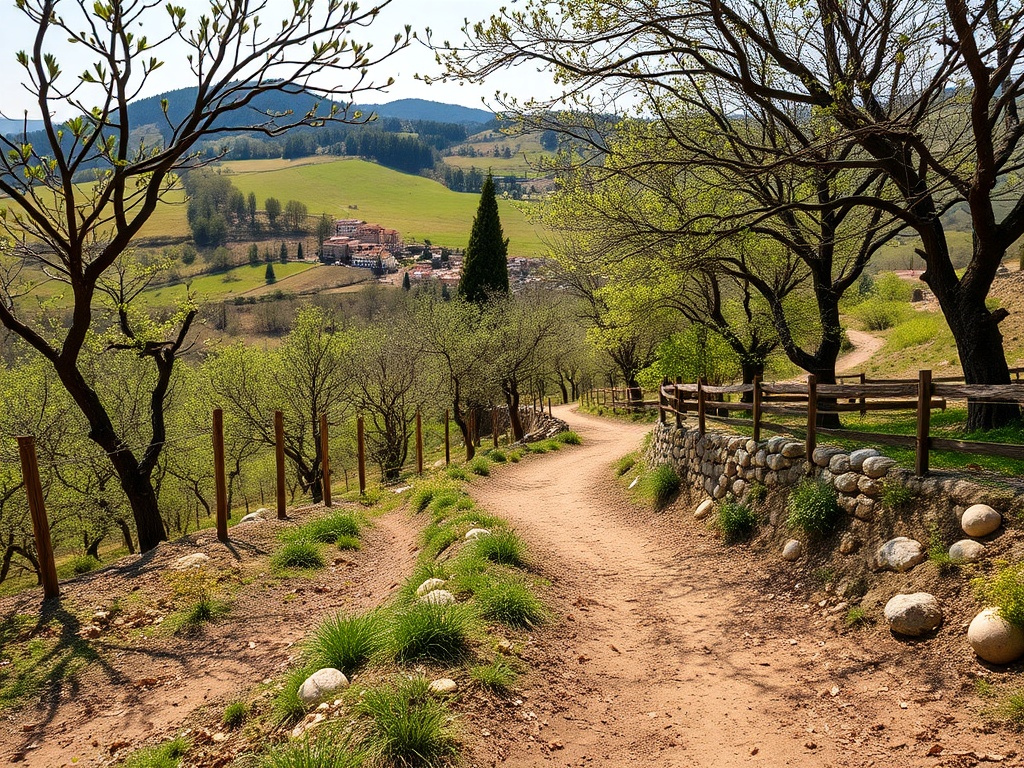

Unearthing the Heart of Italy’s Truffle Heritage
Hidden among the rolling hills and centuries-old olive groves of Umbria lies a world where culinary tradition and natural beauty intertwine. This region, often referred to as the green heart of Italy, is not only famous for its medieval villages and serene landscapes—it’s also home to one of Italy’s most prized gastronomic treasures: the truffle.
Embarking on rural trails across Umbria offers travelers a rare chance to immerse themselves in the local truffle culture, discovering how these earthy gems are hunted, harvested, and savored. From the thick oak forests of Norcia to the soft hills around Gubbio, every path reveals a story rooted in age-old traditions.
Walking the Trails of Tradition
Umbria’s countryside is crisscrossed by scenic routes ideal for slow travel and mindful exploration. These trails lead through landscapes that have remained unchanged for centuries, where generations of truffle hunters and their loyal dogs have worked in harmony with nature.
Popular routes include:
- The Monte Subasio loop near Assisi, offering panoramic views and dense woodlands rich in black truffles.
- The Valnerina trail, winding through river valleys and past ancient monasteries where truffle hunting is a way of life.
- The Tiber River path, where fertile soil and moisture create a perfect habitat for white truffles.
These walks are not merely physical journeys—they’re cultural pilgrimages, where each step brings you closer to the land and its flavors.
Meet the Truffle Hunters
One of the most enriching aspects of exploring Umbria’s truffle country is meeting the people who dedicate their lives to this delicate craft. Typically small family operations, truffle hunters welcome visitors to join them in excursions through the woods. Alongside a well-trained dog, you’ll learn how to identify the signs of a truffle’s presence and witness the moment a hidden gem is unearthed.
These experiences are often accompanied by storytelling and laughter, offering insight into a lifestyle that’s remained largely unchanged for centuries. For a deeper dive into this world, the National Geographic features a moving portrait of Italy’s truffle hunters and their unique bond with their dogs.
Farm-to-Table: The Truffle on Your Plate
After the hunt comes the reward. In rural Umbrian agriturismi, truffles are celebrated with simple yet exquisite recipes that highlight their earthy aroma. Imagine savoring fresh tagliatelle with shaved black truffle, or creamy scrambled eggs elevated by a hint of white truffle oil—all served in a rustic farmhouse setting surrounded by vineyards and orchards.
Many of these farms also produce their own olive oil, wine, and cheeses, creating a full-circle experience of Umbrian terroir. Cooking classes and tasting menus are often available, allowing guests to roll up their sleeves and participate in the culinary magic.
For a broader understanding of how truffles shape regional identity and cuisine, the Encyclopedia Britannica offers a detailed overview of truffle varieties and their cultural impact.
Why Truffle Trails Are More Than Just a Culinary Adventure
Exploring Umbrian truffle country is not just about food—it’s about connecting with the land, its people, and their traditions. It’s an invitation to slow down, breathe in the forest air, and appreciate the delicate balance between nature and culture.
Whether you’re a gourmet traveler, a nature enthusiast, or simply curious about the flavors of central Italy, these trails offer a journey that nourishes both body and soul.
Truffle Towns Along the Way: Where to Base Yourself
The trails make more sense once you know the towns that anchor them, because each corner of Umbrian truffle country has its own variety, its own fair and its own way of eating what is found.
- Norcia: the black winter truffle capital, at the foot of the Monti Sibillini. The Nero Norcia fair, usually at the end of February or the beginning of March, fills the main square with hunters selling from folding tables, and the norcinerie along the streets sell truffle pastes, salami and lentils year-round. The town rebuilt steadily after the 2016 earthquake and its shops and restaurants are open.
- Scheggino and the lower Valnerina: a village of a few hundred people on the river Nera, historically the centre of the black truffle trade, and the best base for the Valnerina trail. Quiet, with trout and truffle on every menu.
- Spoleto: the gateway to the Valnerina from the west, and the town for strangozzi al tartufo. Base here for both the river trails and the woods above Campello sul Clitunno.
- Gubbio: white truffle country in the north-east, with a fair in late October and early November and hunting grounds in the beech and oak woods of the Apennine foothills.
- Citta di Castello: the Upper Tiber town, host to a white truffle fair in early November, and the base for the Tiber valley path.
- Assisi and Spello: the towns below Monte Subasio, with the loop trailheads a short drive up the mountain road.
Driving times are short, under an hour and a half from Norcia to Gubbio, so a week based in two places, one in the Valnerina and one in the north, covers the whole map. Valtopina, a small village between Foligno and Nocera Umbra, also holds a truffle fair each autumn that is less crowded than the famous ones.
Trail Practicalities: Distances, Maps and Etiquette
The Monte Subasio loop from the Eremo delle Carceri is about 12 to 15 kilometres with 500 to 600 metres of climb, a full morning at a walking pace, on marked forestry tracks. The Valnerina has an easier option: the old Spoleto-Norcia railway line has been converted into a walking and cycling path of roughly 50 kilometres, with tunnels and viaducts, and can be walked in sections of 10 to 15 kilometres between villages. The Tiber path north of Citta di Castello is flat and shaded, good for a half day. Trails in Umbria are marked by the Italian Alpine Club with red-and-white paint flashes; a paper map of the Sibillini or Subasio area is still worth carrying, because phone coverage drops in the valleys.
Truffle etiquette is simple and matters. Do not dig, even if you see a dog working nearby; hunting requires a licence, the woods are often private, and a disturbed patch of ground can stop producing for years. If you want to hunt, go with a licensed tartufaio, who will charge roughly €60 to €120 per person for a morning with the dog and a tasting. Keep your own dog on a lead in truffle woods during the season, and close any gate you open.
Carry water, since springs on the ridge trails dry up by July; a long-sleeved layer for the woods, which are cool even in summer; and something to eat. In the Valnerina that usually means a stop at a village bakery for a slice of torta al testo. Autumn walkers should check the local hunting calendar: wild boar drives take place on set days from October to January, and the woods are noisy with dogs and best avoided on those mornings.
A hunter above Scheggino once told us that the best truffle patch on his land was ten metres from a path walked by hundreds of people every autumn. None of them ever noticed, he said, and that was exactly how he liked it.
Plan Your Immersive Getaway
While truffle season peaks in autumn, **Umbria’s rural charm is timeless**. Spring brings wildflowers and mild hikes, while winter offers cozy farmhouses and hearty meals by the fire. No matter the season, the trails of Umbrian truffle country promise a feast for the senses and a deeper connection to Italy’s agricultural soul.
