
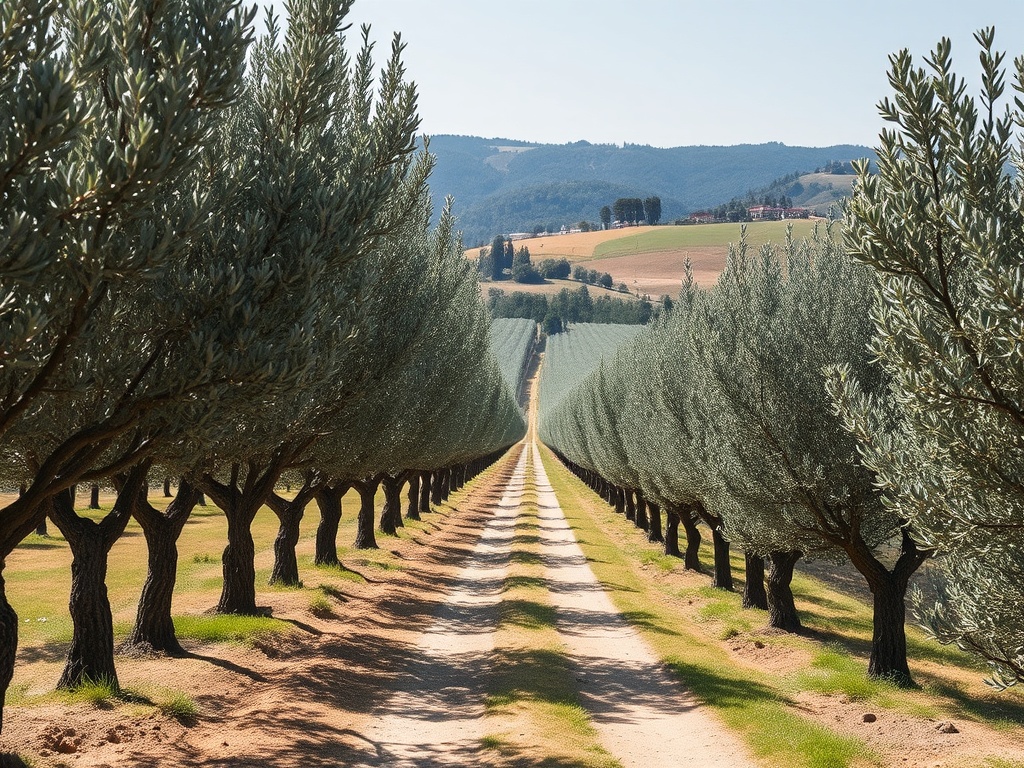

Discovering Umbria Through Its Ancient Olive Paths
Nestled in the heart of Italy, Umbria offers a unique blend of rolling hills, medieval villages, and centuries-old olive groves. For the slow traveler, it is a journey not only across landscapes but also across time. Walking along the olive grove routes means immersing yourself in the soul of rural Italy, where agriculture, tradition, and gastronomy intertwine perfectly.
The Charm of Olive Farming in Umbria
Olive cultivation in Umbria is not just a practice — it’s a cultural legacy. Families have been growing and pressing olives here for generations, preserving techniques that date back to the Etruscans. The region is especially renowned for its extra virgin olive oil, considered among the finest in the world for its robust flavor and low acidity.
Where to Begin: Iconic Olive Routes
Several well-marked trails wind through Umbria’s olive-growing heartland. Each offers a distinct experience, with breathtaking views, local encounters, and authentic cuisine. Popular starting points include:
- Spello to Assisi: A peaceful pilgrimage through ancient groves and stone villages, perfect for history lovers and nature enthusiasts alike.
- Trevi Hills: Known for producing some of the most prized olive oils, this area offers panoramic routes and charming rural stops.
- Montefalco Loop: Combining vineyards and olive groves, this circular path is ideal for tasting the region’s dual gastronomic treasures.
Slow Travel: More Than a Trend
Slow travel in Umbria isn’t just about walking — it’s about connecting deeply with the land and its people. You’ll find small farms offering immersive experiences such as:
- Olive picking during harvest season (October–November)
- Hands-on workshops in traditional oil pressing
- Farm-to-table lunches under centuries-old trees
These activities allow visitors to engage with local rhythms and understand the labor and love behind every bottle of olive oil.
Local Encounters That Leave a Mark
Meeting Umbrian farmers is often the highlight of the journey. Their stories, passed down with pride, reveal a deep respect for nature and heritage. As National Geographic notes, olive oil in Italy is more than food — it’s a symbol of identity. In Umbria, this identity is cherished in every drop.
Gastronomic Delights Along the Way
No olive route is complete without indulging in local cuisine. Along the trails, rustic agriturismos and family-run osterias serve dishes that celebrate olive oil’s versatility. Don’t miss:
- Bruschetta al tartufo: Toasted bread with truffle and freshly pressed olive oil.
- Pappardelle con cinghiale: Wild boar pasta drizzled with golden oil.
- Olive ascolane: Stuffed and fried olives, a perfect trail snack.
Oil tastings are often available, where visitors can learn to recognize the nuances of different varieties — from grassy and peppery to fruity and smooth.
When to Visit and What to Expect
The best time to embark on an olive route journey is during the harvest in late autumn, when the countryside turns golden and the air is filled with the scent of pressing olives. Spring also offers ideal weather and blooming landscapes, perfect for leisurely walks.
Expect intimate experiences, scenic tranquility, and a slower pace that encourages presence and reflection. As highlighted by the Food and Agriculture Organization, the olive tree is a symbol of peace and endurance — values that resonate deeply with slow travelers.
Planning a Walking Day Along the Olive Belt
The groves between Assisi and Spoleto form a single band of terraced hillside roughly 40 kilometres long, known locally as the fascia olivata. A waymarked long-distance path, the Sentiero degli Ulivi, runs the length of it in five stages of about 12 to 18 kilometres each, passing Spello, Foligno, Trevi and Campello before dropping into Spoleto. You do not need to walk all of it. The Spello to Assisi stage is the gentlest, mostly on dirt tracks between dry-stone walls; the Trevi to Campello stretch is steeper but rewards you with the clearest views over the Valle Umbra.
A realistic day looks like this: start by 8 a.m. while the air is still cool, walk three hours, stop for lunch in a hill town, then take a bus or taxi back rather than retracing your steps. Paths are stony and the terraces cut across the slope, so ankle-supporting shoes matter more than fitness. Carry at least a litre of water per person, because fountains are in the towns, not in the groves. Springtime mud and November rain both make the clay paths slippery.
- Distances: Spello to Assisi about 12 km, Trevi to Campello sul Clitunno about 10 km, with 300 to 400 metres of climbing on the harder stages.
- Getting back: regional trains link Assisi, Spello, Foligno, Trevi and Spoleto, so a one-way walk is easy to arrange.
- Common mistake: walking through the groves in August, when the heat is fierce and the trees are simply green — nothing is happening on the farm.
Buying Oil at the Mill Without Getting It Wrong
Most farms along these routes sell direct, and the difference in quality between a bottle bought at the mill and one bought at the airport is enormous. The Umbrian workhorse cultivar is Moraiolo, a small, hardy tree that gives a green, bitter, peppery oil; it is usually blended with the softer Frantoio and Leccino. Oil from the Assisi–Spoleto hills falls under the Umbria DOP, one of five sub-zones that also include the Colli Martani, the Colli Amerini, the Colli del Trasimeno and the Colli Orvietani.
Expect to pay somewhere between 12 and 20 euros a litre for new-season extra virgin at the farm, less per litre if you buy a five-litre tin. Tastings are often free if you are buying; a structured tasting with bread and several oils usually costs a few euros per person. Ask for the harvest date rather than the best-before date, and look for the cloudy, grass-green olio nuovo in November and December, which settles and mellows by spring.
The two mistakes visitors make most often are buying a bottle labelled simply olio di oliva, which is refined oil and not what the region is known for, and then leaving good oil in sunlight on a kitchen counter. Keep it in a dark cupboard, use it within a year, and do not save it for special occasions — it is at its best in the first months after pressing.
Conclusion: A Journey Worth Savoring
Walking the olive grove routes in Umbria is more than a vacation — it’s a sensory and cultural immersion. From the rustling leaves of ancient trees to the warm smiles of local farmers, every moment invites you to slow down and savor. Whether you’re a foodie, a nature lover, or a seeker of authentic experiences, the Umbrian countryside offers a timeless escape into the heart of Italian tradition.
