
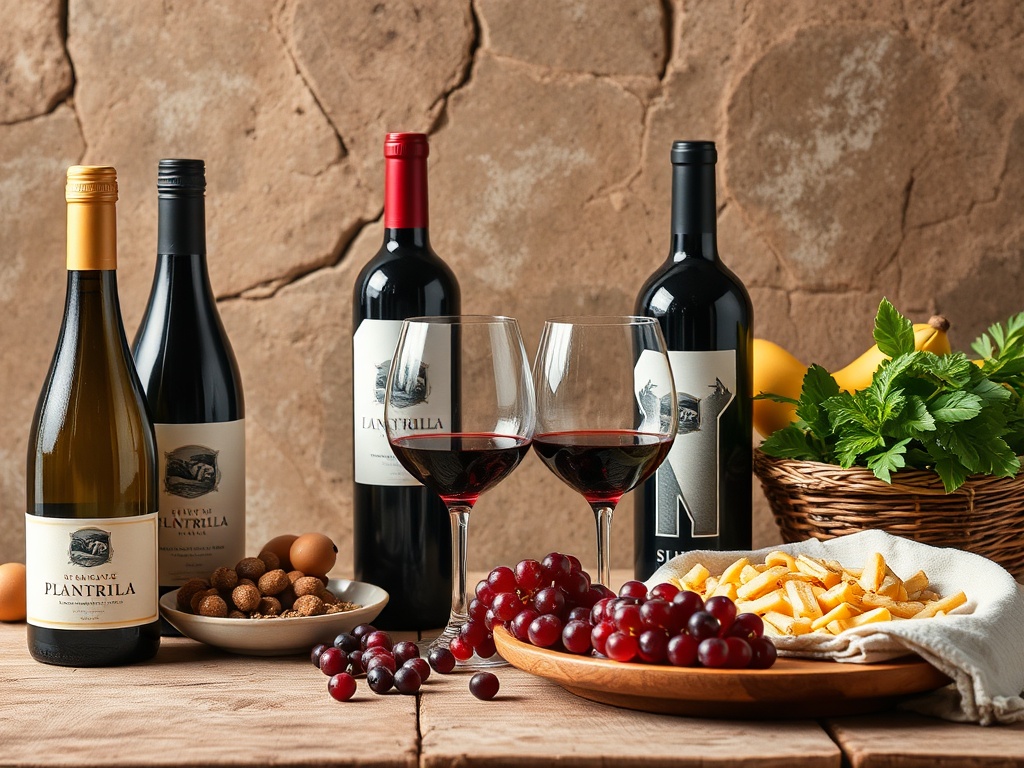

Discovering the Soul of Umbria Through Its Flavors
In the heart of Italy lies Umbria, a region celebrated not only for its rolling hills and medieval villages, but also for its deeply rooted agricultural and culinary traditions. From truffle-rich woods to centuries-old vineyards, every corner of Umbria offers a taste of authenticity. One of the most immersive ways to experience this richness is by pairing local wines with traditional farmhouse dishes, prepared with love and generations of know-how.
Why Wine and Food Pairing Matters
Pairing the right wine with the right dish isn’t just about taste—it’s about enhancing the entire dining experience. In Umbria, where the cuisine is earthy, robust, and deeply connected to the land, the wines are crafted to complement those flavors perfectly. The region’s indigenous grape varieties like Sagrantino, Grechetto, and Trebbiano Spoletino bring out the best in local recipes.
Top Umbrian Wines and Their Perfect Farmhouse Matches
Sagrantino di Montefalco & Slow-Cooked Wild Boar Stew
Sagrantino is a powerful red wine with bold tannins and notes of blackberry, spice, and earth. It pairs beautifully with hearty countryside dishes like cinghiale in umido (wild boar stew), a staple in rural Umbrian kitchens. The richness of the meat and herbs balances the intensity of the wine, making for a deeply satisfying meal.
Grechetto & Umbrian Farro Salad
This crisp white wine, often with hints of almond and citrus, pairs wonderfully with lighter fare. Try it with a traditional farro salad tossed with cherry tomatoes, parsley, extra virgin olive oil, and a touch of pecorino. The wine’s acidity complements the dish’s freshness, creating a refreshing and balanced bite.
Trebbiano Spoletino & Truffle Frittata
When in Umbria, truffles are never far away. A simple farmhouse frittata with black truffle becomes extraordinary when accompanied by a glass of Trebbiano Spoletino. Its floral and mineral notes lift the earthy aroma of the truffle, offering an elegant contrast.
Farm-to-Table: A Way of Life in Umbria
Umbrian farmhouses, or agriturismi, are not just places to stay—they are living traditions. Many of these family-run farms produce their own wine, olive oil, and cured meats. Guests are often invited to participate in cooking classes or join harvest activities, offering a true taste of rural life. According to Britannica, this region has preserved its agricultural identity more strongly than many others in Italy, making it a prime destination for culinary tourism.
Tips for Creating Your Own Umbrian Pairing Experience
- Start local: Choose wines and ingredients that originate from the same area. They naturally complement each other.
- Balance flavors: Match strong wines with bold dishes; lighter wines with subtle flavors.
- Respect seasonality: Use ingredients that are in season for the most authentic taste.
- Embrace simplicity: Umbrian cuisine is about highlighting the quality of ingredients, not masking them.
Preserving Culinary Heritage Through Wine & Food
Beyond flavor, these pairings tell a story—a story of people who have lived off the land for centuries, adapting to the rhythms of nature. Local initiatives and agritourism movements have helped preserve this heritage. Programs supported by organizations like Slow Food International have been instrumental in promoting sustainable, local gastronomy in regions like Umbria.
Beyond the Big Three: Lesser-Known Umbrian Wines and Their Farmhouse Matches
Sagrantino, Grechetto and Trebbiano Spoletino are the headline grapes, but the wines most Umbrian families actually open on a weeknight are the ones below, and they pair with the everyday dishes of the farmhouse table better than the showpieces do.
- Montefalco Rosso and strangozzi alla norcina: the Rosso is mostly Sangiovese with a share of Sagrantino, softer and ready sooner than its big brother. Its bright acidity cuts through the cream and sausage of a norcina sauce without fighting the truffle.
- Orvieto Classico and Trasimeno lake fish: the white of the south-west, a blend built on Grechetto and Trebbiano, is the natural partner for tegamaccio, the slow fish stew of Lake Trasimeno, and for fried lake perch. Look for a bottle labelled Superiore for more weight.
- Gamay del Trasimeno and regina in porchetta: the grape is in fact Grenache, grown around the lake for centuries. Its warmth suits the carp roasted with wild fennel, garlic and pancetta that lake families cook for feast days.
- Ciliegiolo rosato and torta al testo: a light, cherry-scented pink from the Colli Amerini and the Narni hills. Chilled, it is the picnic wine for the flatbread split and stuffed with prosciutto and stracchino or with sauteed greens and sausage.
- Sagrantino Passito and aged pecorino: the sweet, dried-grape version of Sagrantino was the original, and it is still made. Serve it at the end of the meal with a wedge of long-aged pecorino and a piece of panpepato, the dense Christmas cake of spices, nuts and dark chocolate.
The lentils of Castelluccio deserve their own note. Cooked simply with a little pancetta, garlic and sage, they want a red with acidity and no sweetness: a young Montefalco Rosso or a Sangiovese from the Colli del Trasimeno, not Sagrantino, which flattens them.
Visiting Cantinas and Buying Bottles: Practical Notes
Most family wineries around Montefalco, Bevagna and Orvieto receive visitors by appointment, and a tasting of three to five wines with bread, oil and salumi costs between €15 and €35 per person. Tastings that stretch into a cellar lunch run €40 to €70. Weekends from mid-September to late October, harvest time, book out a week or more ahead; a weekday morning in May or June can often be arranged the day before. Larger estates run walk-in shops, but the tasting there is a counter pour, not a visit.
At the cellar door, Montefalco Rosso generally sells for €10 to €18 a bottle, Sagrantino for €20 to €40 depending on age and producer, and Grechetto or Orvieto Classico for €8 to €15. Buying a case at the winery is usually 10 to 15 percent cheaper than the same bottles in a wine shop in Perugia, and many estates will arrange shipping within Europe; for further afield, check the customs allowance before you fall in love with six bottles.
The mistake almost every visitor makes with Sagrantino is opening it too young and too warm. By law it ages at least 37 months before release, twelve of them in wood, and even then it is closed and fiercely tannic. Give a bottle five to eight years from the vintage, decant it an hour before dinner, and serve it at cellar temperature, around 16 to 18 degrees, not on a warm terrace in August. Grechetto, by contrast, is best young, from the last two harvests, and cold enough to sweat the glass at 10 to 12 degrees.
One winemaker near Bevagna keeps a bottle of his 2010 Sagrantino open on the tasting bench beside the current release for exactly this reason. Guests taste the young wine, wince, then taste the older one and understand in a single sip why the family holds back stock every year. The lesson, he says, costs him a bottle a day and sells a case.
A Journey Worth Tasting
Whether you’re sipping a glass of ruby-red Sagrantino on a sunlit terrace or savoring a rustic plate of lentils from Castelluccio, pairing Umbrian wines with traditional farmhouse recipes is more than a meal—it’s a cultural journey. Let your palate lead you through vineyards, olive groves, and age-old kitchens. You’ll leave with more than just memories—you’ll carry the spirit of Umbria with you.
