
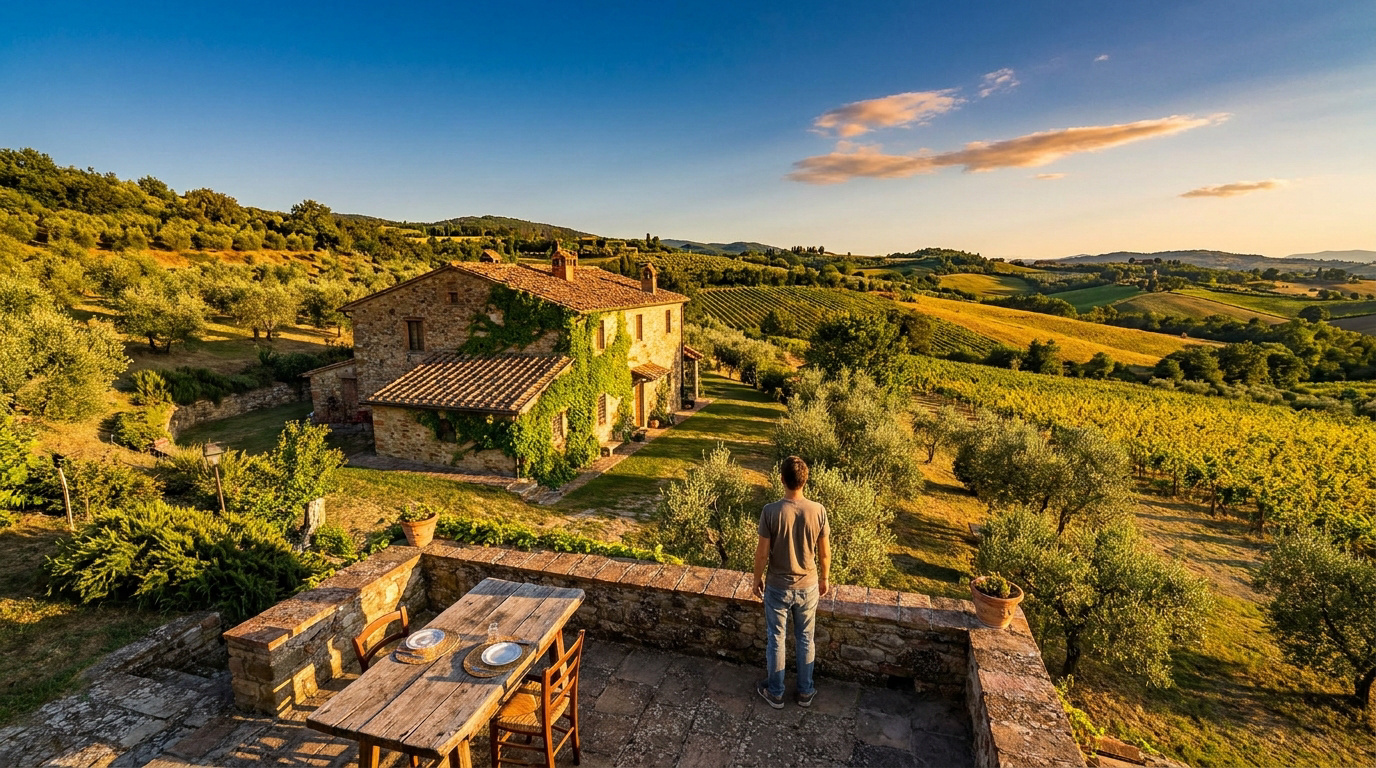

Key takeaway: Choosing the right Umbrian agriturismo requires balancing agricultural immersion with logistical needs. These legal working farms prioritize rural heritage over hotel services, often requiring a rental car for gravel road access. For an authentic experience, look for properties like San Lorenzo that offer seasonal harvests and organic dining, ensuring the stay matches your desired pace and activity level.
Umbria is home to over 1,000 registered agriturismi, each governed by strict laws requiring active agricultural production to maintain their authentic status. However, many travelers end up frustrated by isolated locations or early morning farm noise they didn’t anticipate. Finding the right agriturismo in Umbria for your travel style is often difficult without specific guidance on how these rural estates operate.
This article breaks down the logistical factors and farm activities to help you select a property that matches your pace. We will explore how to balance rustic heritage with your personal needs for a seamless Italian holiday.
- Foundations to Help You Choose an Agriturismo in Umbria
- 3 Logistical Factors for Rural Umbrian Travel
- How to Match Farm Activities to Your Travel Pace?
- Dining and Accommodation Standards on Working Farms
- Booking Strategies for a Reliable Farm Stay
Foundations to Help You Choose an Agriturismo in Umbria
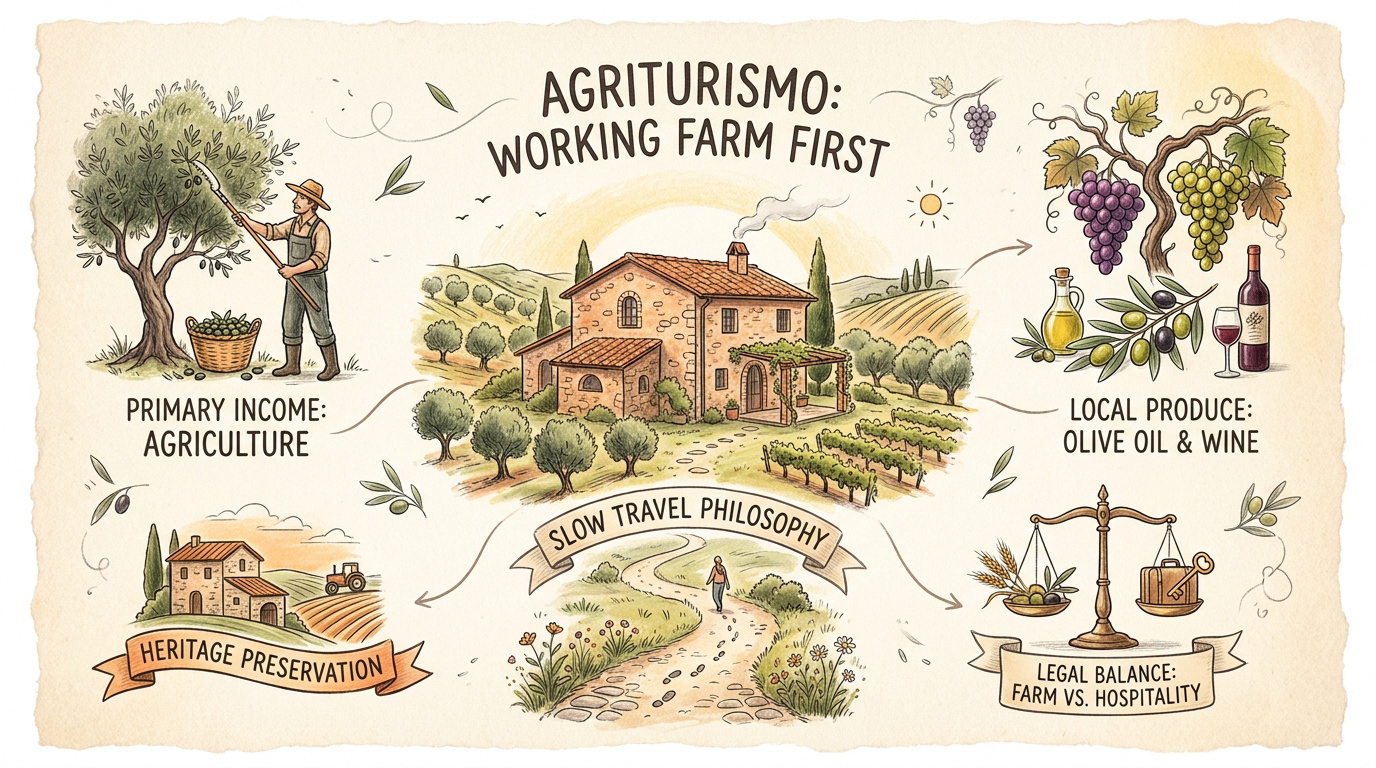
Umbrian agriturismi require active agricultural production, often yielding private-label olive oil or wine. These stays prioritize rural heritage over standard hotel services, governed by strict regional laws balancing farming with hospitality.
The last fact about legal balance leads directly into the specific regulatory differences between these farms and B&Bs.
Legal criteria versus standard bed and breakfasts
An agriturismo is a working farm first. Italian law mandates that agricultural activities must outweigh hospitality hours. This ensures the property remains a functional farm rather than just a themed hotel or a simple B&B.
Regional regulations dictate guest capacity and service types. These rules guarantee an authentic rural environment. You won’t find these strict agricultural requirements in standard city bed and breakfast establishments.
Owners must prove their primary income stems from the land. This legal tie protects the local landscape. It also defines the specific rustic atmosphere guests should expect upon arrival.
Slow travel philosophy and local agricultural heritage
Staying here supports the global slow travel movement. It encourages deeper connections with the land. You contribute directly to the survival of small-scale Umbrian farming traditions and local families.
Many estates produce their own distinct olive oil or DOCG wines. Guests often taste products grown just meters from their bedroom. This short supply chain defines the value of the experience. It creates a unique bond between consumer and producer.
Heritage preservation is central to the mission. Old stone farmhouses find new life through tourism. This sustainable model keeps ancient agricultural techniques alive for future generations of travelers.
3 Logistical Factors for Rural Umbrian Travel
While the philosophy is romantic, the logistics of reaching these remote hills require practical planning and specific equipment.
Rental car necessity and strada bianca access
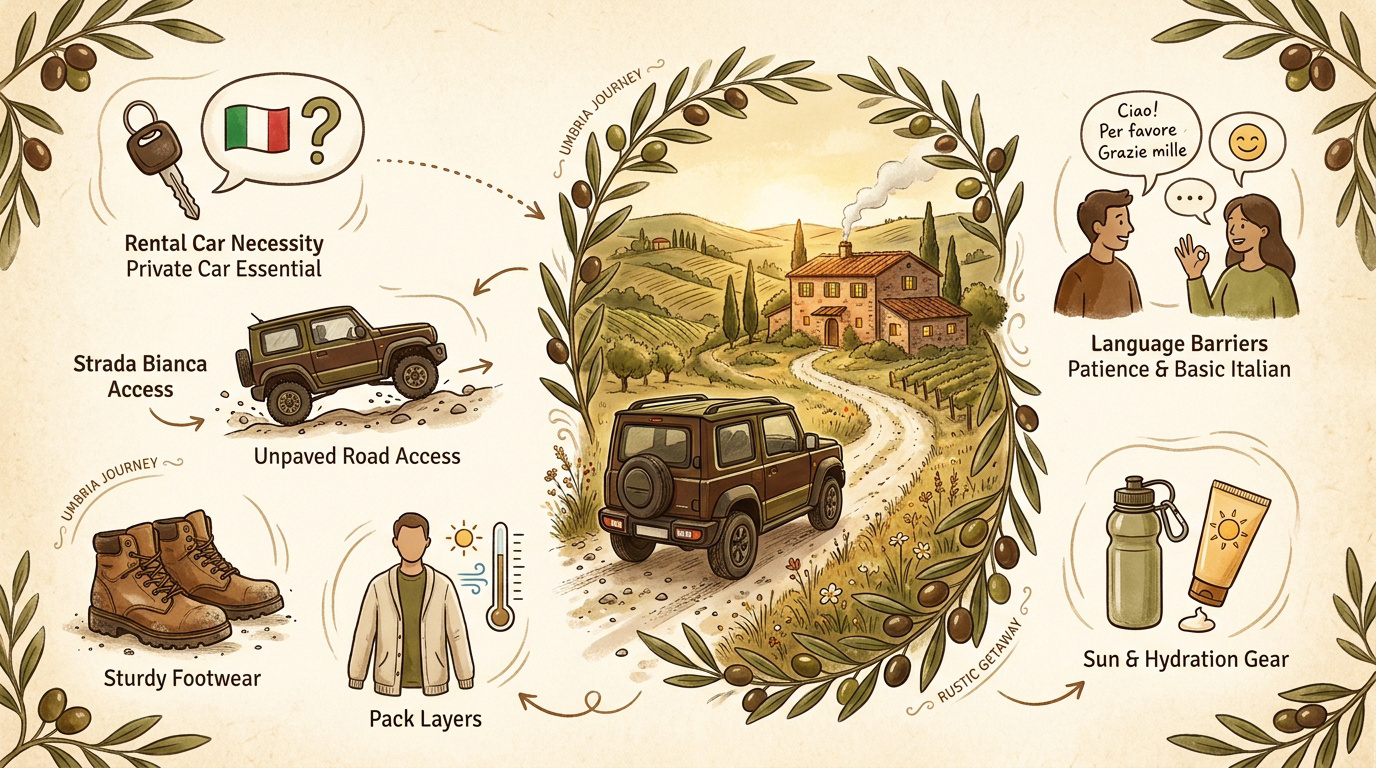
A private rental car is non-negotiable for Umbrian stays. Public transport rarely reaches isolated farm gates. Ride-sharing services like Uber do not operate in these rural zones. You need autonomy to explore nearby hill towns or reach dinner safely.
Many properties are reached via a “strada bianca.” These are unpaved white gravel roads. Check if your vehicle has enough clearance for uneven terrain or steep, rocky inclines.
Small cars struggle on loose gravel during heavy rain. Consider a compact SUV for better grip. Always ask the host about the specific condition of their access road before booking.
Managing language barriers with local farm owners
Traditional farmers often speak limited English. This adds to the authentic charm of the stay. However, it requires patience and creative communication methods during check-in or meal times.
Download offline translation apps before you head into the hills. Signal can be spotty in deep valleys. Learning basic Italian greetings and food terms goes a long way. Most hosts appreciate the effort to speak their local language even poorly.
Direct interaction is part of the hospitality. Hand gestures and smiles bridge many gaps. Don’t let the language barrier discourage you from booking a truly traditional property.
Packing essentials for the Italian countryside
Sturdy footwear is the most important item. Farm terrain is naturally uneven and often muddy. Leave delicate shoes for the city and bring boots with good traction.
Nights in the Umbrian hills can be surprisingly chilly. Pack layers even during the summer months. A light jacket is useful for outdoor dinners. Rustic bedding might be firm, so consider bringing a small travel pillow for extra comfort.
Bring a reusable water bottle for excursions. Sunscreen and insect repellent are also vital for outdoor farm life. These small items ensure you stay comfortable during long days in the sun.
How to Match Farm Activities to Your Travel Pace?
Once the logistics are settled, you must decide how much of the actual farming life you want to experience firsthand.
Working farm intensity and participation levels
Some estates are luxury retreats with minimal agricultural noise. Others are active working farms with tractors and early morning chores. Decide if you want a quiet poolside escape or a hands-on agricultural experience. Look for mentions of “active farming.”
High-intensity farms might offer animal feeding or vegetable picking. These are great for families with children. Leisure-focused estates prioritize spa services and silence over daily agricultural labor.
Participation is usually optional but highly rewarding. Ask if you can join the daily rounds. It provides a rare glimpse into the reality of Italian rural life and labor.
Seasonal timing for olive and grape harvests
Timing your visit is crucial for harvest participation. Grapes are usually picked in late September. Olives follow in late October and throughout November as the weather cools down.
The atmosphere changes significantly during the pressing season. Farms become busy hubs of activity and excitement. You might smell the fresh oil in the air. It is a loud, social, and physically demanding time for the host families.
Spring offers blossoming orchards and quieter trails. Summer is best for enjoying the pool and long evenings. Each season dictates the rhythm of life on the land and the menu.
Balancing farm time with medieval hill town visits
Don’t spend every hour on the farm property. Umbria is famous for medieval towns like Assisi and Gubbio. Plan your schedule to mix rural rest with cultural urban exploration.
Travel times can be deceptive on winding hill roads. A twenty-kilometer drive might take forty minutes. Plan to visit towns in the morning when it is cooler. Return to the farm for a late afternoon swim or a glass of wine.
Manage your energy between isolation and crowds. The farm provides a necessary sanctuary after busy sightseeing. This balance is the secret to a successful and restorative Umbrian holiday.
Dining and Accommodation Standards on Working Farms
Beyond the activities, the quality of your sleep and the food on your plate define the agriturismo experience.
Farm-to-table dining and fixed-menu restrictions
Many farms offer a communal fixed-menu for dinner. This usually includes multiple courses of regional specialties. Expect handmade pasta, local meats, and seasonal vegetables grown right on the property.
Dietary restrictions require early and clear communication. Fixed menus have limited flexibility compared to city restaurants. Inform your hosts about allergies weeks before you arrive. They will usually accommodate you with fresh, simple alternatives if given enough notice.
The quality of ingredients is often superior to luxury hotels. You are eating the freshest possible produce. This rustic culinary focus is a major highlight for most food-loving travelers.
Self-sufficiency versus full-service hospitality
Choose between an independent apartment or a standard room. Apartments often include small kitchenettes for self-catering. This is ideal for families or travelers staying for more than three nights.
Full-service rooms feel more like a traditional hotel stay. You won’t have to worry about breakfast or cleaning. However, kitchenettes allow you to experiment with ingredients bought at local village markets. Think about your preferred level of daily independence.
Cooking for yourself saves money but requires more effort. Being served allows for total relaxation during the trip. Weigh these trade-offs based on your personal travel style and budget.
Vetting luxury amenities in a rustic context
Rustic furniture is the standard in most farmhouses. Do not expect ultra-modern minimalist designs everywhere. Thick stone walls provide natural cooling, though some high-end estates now offer air conditioning.
Wi-Fi stability is notoriously poor in the Umbrian countryside. Thick walls and remote locations block signals easily. If you must work, confirm the connection quality with the host. Pools are common but usually seasonal and subject to weather conditions.
Luxury here means space, views, and silence. It is a different kind of high-end experience. Focus on the quality of the environment rather than high-tech gadgets or amenities.
Booking Strategies for a Reliable Farm Stay
Finding the right property requires looking past the glossy photos and understanding how to navigate the booking process.
Direct booking versus third-party platforms
Third-party platforms offer convenience and easy review comparisons. They provide a layer of security for first-time visitors. However, they often charge commissions that increase the final price for you.
Booking directly via email can lead to better rates. It establishes a personal connection with the owner immediately. You might get a more specific room or better dining advice. Always double-check that the official website photos match recent guest uploads.
Discrepancies between photos and reality are common in rural settings. Read recent reviews to confirm the current state of the property. Direct communication helps clarify any doubts about specific farm features.
Identifying family-friendly versus couple-oriented properties
Look for specific keywords in guest reviews. Mentions of playgrounds or farm animals indicate a family-friendly vibe. These properties are usually louder and more active during the day.
Romantic retreats emphasize tranquility and privacy in their descriptions. They might have age restrictions for guests to maintain silence. Check if the dining setup is communal or offers private tables for couples. This significantly changes the social atmosphere.
Read between the lines of negative reviews. A complaint about noisy children is a sign for couples to look elsewhere. Choose the property that matches your desired social energy level. How to Find the Right Agriturismo in Umbria for Your Travel Style depends on these subtle cues.
Choosing the perfect farm stay in Umbria requires balancing agricultural authenticity with your logistical needs and desired pace. By prioritizing sustainable estates like San Lorenzo and securing a rental car for rural access, you ensure a restorative escape. Secure your dream getaway now to experience Italy’s green heart before the harvest season peaks.
FAQ
What are the legal requirements for a property to be called an agriturismo in Umbria, and how does it differ from a B&B?
In Umbria, an agriturismo is legally defined by its connection to a working farm. To operate one, the owner must be a professional farmer where agricultural activities remain the primary focus, outweighing the hospitality side in terms of labor hours and income. This ensures the property preserves its rural heritage rather than becoming a standard hotel.
A Bed & Breakfast, conversely, is a smaller-scale hospitality service that does not require an agricultural foundation. While B&Bs are often limited to a few rooms and offer only breakfast, agriturismi are mandated to use a significant percentage of their own farm-grown products in the meals they serve, providing a much deeper connection to the land.
Is it necessary to rent a car when staying at a rural Umbrian farm?
Yes, a private rental car is essentially non-negotiable for this travel style. Most authentic agriturismi are located in isolated areas where public transport does not reach and ride-sharing services are unavailable. Having your own vehicle provides the autonomy needed to reach nearby hill towns, restaurants, and hidden cultural sites safely.
Be aware that many properties are accessed via a “strada bianca,” which is a traditional unpaved white gravel road. It is wise to choose a vehicle with decent clearance, such as a compact SUV, to navigate these uneven or steep terrains comfortably, especially during rainy weather.
How can I choose between a family-friendly farm and a quiet retreat for couples?
To find the right match for your travel pace, look for specific keywords in descriptions and guest reviews. Properties that mention playgrounds, farm animals, or vegetable picking are typically geared toward families and have a more energetic atmosphere. If you seek a romantic escape, prioritize estates that emphasize “tranquility,” “privacy,” or offer adults-only zones.
Additionally, check the dining arrangements. A communal fixed-menu dinner encourages social interaction and is great for families, whereas properties offering private tables or independent apartments with kitchenettes provide more intimacy for couples. Reading recent reviews helps confirm if the social energy of the farm aligns with your personal style.
What should I expect regarding dining and food restrictions on a working farm?
Dining at an agriturismo is a highlight, often featuring a fixed menu of seasonal specialties like handmade pasta, truffles, and local meats. Since these kitchens operate on a farm-to-table basis with limited ingredients from the land, they have less flexibility than city restaurants. It is vital to communicate any dietary restrictions or allergies to your hosts weeks in advance.
The quality of the ingredients is typically superior, as you are consuming produce grown just meters from your table. While the menu might be set, the freshness and authenticity of the Umbrian flavors provide a rustic culinary experience that standard hotels simply cannot replicate.
Are luxury amenities like Wi-Fi and air conditioning common in these rustic settings?
Luxury in the Umbrian countryside is defined more by space, silence, and stunning views than by high-tech gadgets. While some high-end estates offer air conditioning, many rely on thick traditional stone walls for natural cooling. You should expect rustic, high-quality furniture rather than ultra-modern minimalist designs.
Regarding connectivity, Wi-Fi can be spotty due to the remote locations and thick walls. If you need to stay connected for work, it is best to confirm the signal strength with the host beforehand. Similarly, swimming pools are common but are usually seasonal and subject to local weather conditions.
When is the best time to visit to experience the local agricultural harvests?
Timing is everything if you want to witness the peak of Umbrian agricultural life. The grape harvest generally takes place in late September, while the olive harvest follows in late October and November. During these times, the farms are bustling with activity, and you can often smell the fresh oil being pressed in the air.
If you prefer a quieter experience, spring offers beautiful blossoming orchards and peaceful hiking trails. Summer is ideal for those who want to balance farm life with long afternoons by the pool and evening visits to medieval hill towns like Assisi or Gubbio.
