
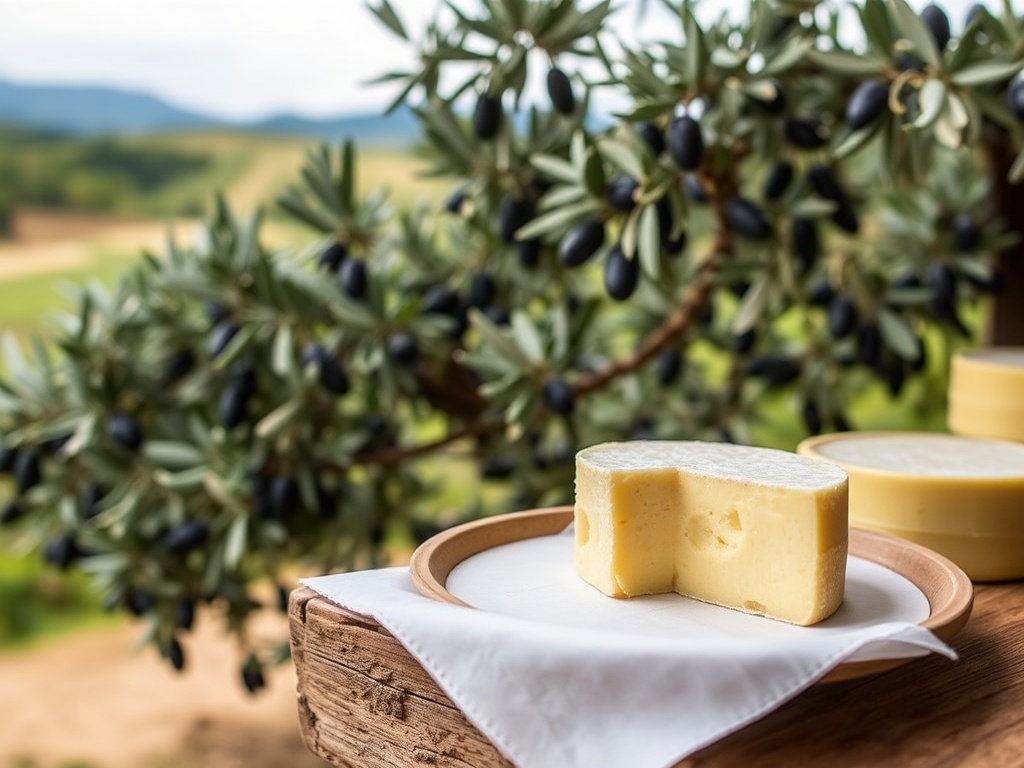

Experience Authentic Umbrian Traditions
Imagine waking up to the sound of roosters, the scent of freshly baked bread, and the sun rising over rolling hills lined with olive trees. This is not a dream—it’s life on a traditional Umbrian farm. Joining a local farm workshop is more than just an activity; it’s a deep dive into the region’s soul, where agriculture and gastronomy have been intertwined for centuries.
Why Participate in a Farm Workshop?
Umbrian farms offer immersive workshops that teach you how to produce some of Italy’s most beloved products. These sessions are led by experienced farmers and artisans who open their doors—and hearts—to visitors who are curious, passionate, and eager to learn.
Here’s what makes these workshops truly special:
- Hands-on learning: Get your hands dirty as you pick olives or shape fresh ricotta.
- Authentic settings: Work in centuries-old stone barns and traditional kitchens.
- Local wisdom: Learn secrets that have been passed down through generations.
Olive Oil: The Liquid Gold of Umbria
Join a workshop during the autumn harvest and discover the art of olive pressing. From hand-picking the fruit to operating ancient stone mills, you’ll witness how this precious oil is crafted. Many farms still use traditional cold-press methods, preserving the flavor and nutritional value of the oil.
According to BBC Travel, Umbrian olive oil is among the best in the world for its purity and peppery finish. You’ll not only taste this excellence—you’ll help create it.
Cheese Making: From Milk to Magic
If you’ve ever wondered how milk transforms into creamy pecorino or tangy caprino, you’re in for a treat. Umbrian farms, especially those in the mountainous areas, offer cheese-making experiences that are both educational and delightful.
Step-by-step, you’ll learn:
- How to milk goats or sheep in the early morning light
- The process of curdling, molding, and aging
- How to pair different cheeses with local wines and honey
These workshops aren’t just about technique—they’re about appreciation. As Slow Food International emphasizes, traditional cheese making helps preserve biodiversity and supports local economies.
More Than Just a Lesson: A Cultural Journey
Each workshop is a gateway into the rhythms of Umbrian life. You’ll sit down to lunch with farmers, tasting dishes made from the ingredients you’ve helped prepare. Imagine a table set under a fig tree, with platters of bruschetta drizzled in your own olive oil, and fresh ricotta still warm from the pot.
These moments create lasting memories and deepen your connection to the land, the people, and the food culture that defines Umbria.
Who Can Join a Farm Workshop?
These experiences are ideal for:
- Food lovers seeking authenticity
- Families looking for interactive activities
- Couples on a romantic getaway
- Solo travelers craving community and connection
Most farms welcome all levels of experience and provide translations when needed. Whether you’re a seasoned chef or a curious traveler, there’s a seat at the table for you.
The Workshop Calendar: What Happens When
Farm workshops are tied to what the farm is doing that week, so the calendar decides more than your preferences do. If you arrive in March asking to press olives, the best a host can do is show you last year’s oil. Here is the year as it runs on most Umbrian farms:
- January to February: norcineria, the traditional pork work. Farms with pigs make salami, sausage and capocollo, and a few open the day to guests. This is cold, early and not for the squeamish, but it is the oldest craft in the region, with Norcia’s butchers at its heart.
- March to June: the richest milk. Sheep and goats are lambing and kidding, the pasture is green, and pecorino and ricotta made now are at their best. Most cheese workshops happen in this window.
- June to July: honey extraction on farms with hives, and the lentil bloom on the Castelluccio plateau, with the harvest in late July and August.
- September to early October: the vendemmia. Picking Grechetto or Sagrantino by hand, then watching the crush, is the one workshop many farms offer to anyone who asks, because they need the hands.
- Mid-October to late November: olive picking and pressing, the busiest six weeks of the farm year.
- Year-round: bread in the wood oven, handmade pasta, and preserving (tomato passata in August, jams in early summer).
Cheese has its own rhythm inside the day. The milk is warmed and set in the morning, and the curd then needs hours to drain and be turned, so a proper cheese-making session runs from about 8 in the morning to early afternoon with long pauses in between. Farms use those pauses for a walk to the sheep, a look at the ageing room, and the mid-morning bread and honey. Ask how the day is structured; a two-hour “cheese class” is mostly a demonstration.
How to Book, What It Costs, and What to Bring
Most workshops are booked directly with the farm, by email or a short phone call, and a deposit of 20 to 30 percent is normal. Half-day sessions generally cost €40 to €90 per person including a tasting or light lunch. A full day with a proper farm lunch runs €90 to €160. Two- to three-day programmes that combine, say, olive picking, a visit to the frantoio and a cooking evening, with accommodation on the farm, fall between €300 and €600 per person. Families often get a lower rate for children, who are usually welcome from about age five in cheese and bread sessions and from ten or so in the olive grove.
Ask three things before you confirm. Whether the session is hands-on or a demonstration; how many guests are in the group (six to ten is comfortable, more than twelve and you will mostly watch); and what happens if the weather or the harvest shifts. Olive picking in particular moves with the ripening of the fruit, and a good host will offer to move your day rather than pick green olives to keep an appointment.
What to bring is mostly common sense. Closed shoes with grip and clothes you do not mind ruining for the olive grove; for cheese, tie back long hair, leave rings and watches in your room, and expect to wear an apron and hairnet. A notebook is worth more than a phone here: the measures are given by feel and in grams, and hosts are generous with them when they see you writing. If you do not speak Italian, say so when booking; on many farms the person who runs the workshop is the grandmother, and the grandchild who translates may need to be there.
A detail that surprises first-timers: on olive days the press is often not at the farm. You pick in the morning, load the crates into a van in the early afternoon, and follow it to a cooperative frantoio in the nearest town, where you wait your turn behind other farms and then taste the oil as it runs, green and cloudy, from the spout. That hour in the noise of the mill, with a slice of bread held under the tap, is the part guests remember.
Plan Your Immersive Escape
Workshops typically last from a half-day to several days, depending on the season and activity. Booking in advance is recommended, especially during the olive harvest or springtime cheese season. Don’t forget to bring comfortable clothes, a hearty appetite, and a sense of wonder.
By joining a farm workshop in Umbria, you’re not just learning new skills—you’re becoming part of a living tradition that celebrates nature, craftsmanship, and community.
