

A Culinary Tradition Rooted in the Umbrian Countryside
In the heart of Italy, tucked between rolling hills and olive groves, the region of Umbria preserves one of its most cherished traditions: handmade pasta crafted in rustic farm kitchens. This isn’t just cooking—it’s a cultural ritual passed down through generations, where each movement of the hand tells a story of the land, the people, and the seasons.
Flour, Water, and Soul: The Simplicity Behind the Magic
Unlike industrialized pasta found on supermarket shelves, Umbrian handmade pasta is born from a few simple ingredients: stone-ground flour, fresh spring water, and sometimes free-range eggs. But the true secret lies in the hands that knead, roll, and shape the dough with precision and care.
In many traditional farms, pasta is made on large wooden boards, often placed near windows where sunlight warms the dough. This slow process enhances texture and flavor, creating pasta that’s both hearty and incredibly satisfying.
Popular Pasta Varieties Found in Umbrian Farms
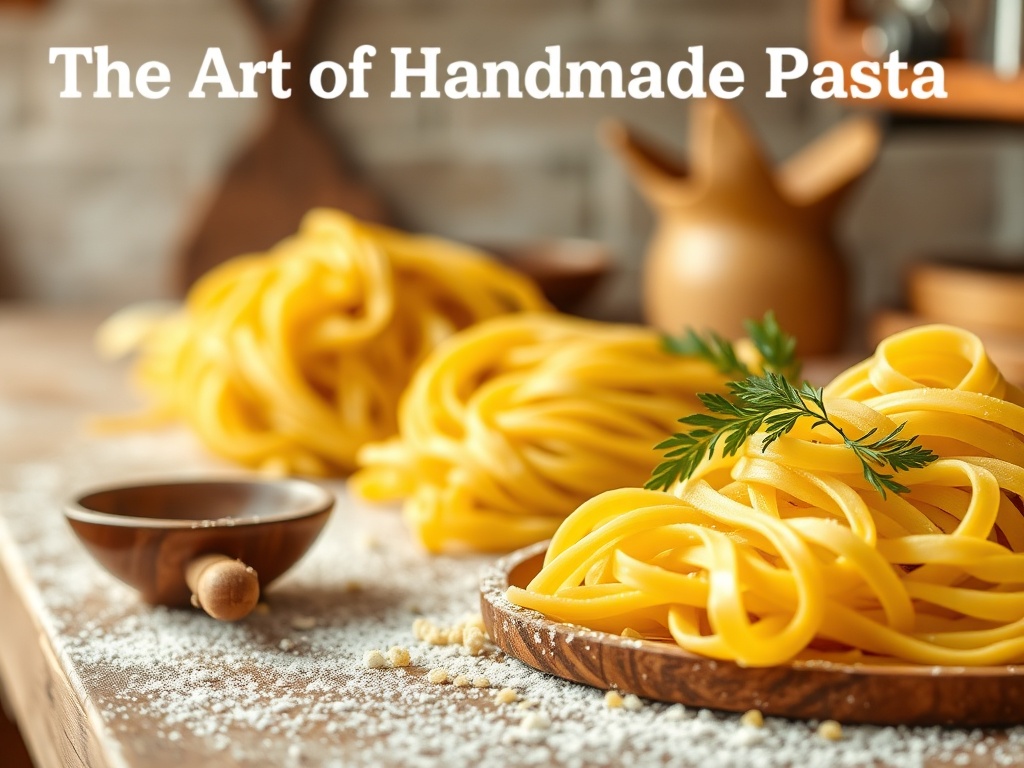
- Strangozzi – Long, thick noodles similar to tagliatelle, often served with truffle sauce or a hearty tomato ragù.
- Umbricelli – A thicker, chewier version of spaghetti made without eggs, perfect for absorbing rustic sauces.
- Gnocchi di Patate – Made with locally grown potatoes and flour, these soft dumplings melt in your mouth.
- Tagliatelle al Cinghiale – Wide ribbon pasta paired with wild boar sauce, a forest-to-table experience.
The Role of Women in Preserving the Craft
Across the Umbrian countryside, it is often the nonne—grandmothers—who serve as keepers of pasta-making knowledge. Their hands, weathered by time and work, move with practiced grace, turning simple dough into culinary masterpieces. Many young chefs now return to these roots, learning directly from their elders in an effort to preserve authenticity.
Learning by Doing: Pasta Workshops on Local Farms
Visitors eager to dive deep into Umbrian culture can join hands-on pasta workshops hosted by agriturismi. These immersive experiences allow guests to work with local ingredients, guided by expert cooks who share anecdotes, techniques, and family secrets. According to National Geographic, these farm stays are among the best ways to experience Italy’s culinary identity.
Participants often leave not only with new skills but also with a renewed appreciation for the time and care invested in traditional cooking. It’s more than a class—it’s a return to slowness, to intention, to joy.
Savoring the Results: A Meal to Remember
Once the pasta is prepared, the communal meal begins. In Umbrian farmhouses, it’s common to gather around long wooden tables where guests, farmers, and cooks share stories and plates. The pasta is served with local wines, seasonal vegetables, and homemade sauces, creating a farm-to-table celebration of flavor.
This gastronomic intimacy is echoed in research by the Food and Agriculture Organization (FAO), which highlights the role of traditional foodways in strengthening community bonds and preserving biodiversity.
How the Pasta Is Actually Made: Technique You Can Copy at Home
The two egg-free pastas of the region, strangozzi and umbricelli, are made from the same dough and differ only in how it is cut. The proportions are simple enough to remember: about 100 grams of soft wheat flour (tipo 0 or 00) per person, a pinch of salt, and just enough lukewarm water to bring it together, usually 45 to 50 millilitres per 100 grams. On a farm the flour is poured onto the board in a mound, a well is made in the centre, the water goes in gradually, and the dough is worked for a good ten minutes until it is smooth and springs back when pressed. It then rests under a bowl for half an hour; skipping the rest is the most common beginner’s mistake and the reason the dough tears when rolled.
For strangozzi, the dough is rolled with a long, thin mattarello to a sheet about 2 millimetres thick, dusted, loosely folded, and cut with a knife into strips roughly 4 to 5 millimetres wide. The name is usually traced to stringhe, bootlaces, which is exactly what they look like. For umbricelli, small pieces of dough are rolled by hand on the board into thick round strands, each one slightly uneven, which is the point. Both cook in well-salted boiling water in three to five minutes and are drained a moment early so they finish in the sauce.
The sauces are as spare as the dough. Around Spoleto, strangozzi alla spoletina means garlic, chilli and tomato cooked briefly in olive oil, with parsley at the end. In Norcia, the norcina sauce is crumbled fresh sausage softened in oil with onion, finished with cream and, in season, a shaving of black truffle. On a farm with its own oil, the simplest version is also the best: hot pasta, new oil, a grating of pecorino and black pepper. Resist the urge to add more.
- Flour: soft wheat, not semolina, for the egg-free shapes; the dough should be firm, not sticky.
- Water: lukewarm, added a little at a time; the amount changes with the humidity of the day.
- Thickness: thicker than you think is right. These are rustic shapes and should have bite.
- Sauce: finish the pasta in the pan with a spoon of cooking water so the starch binds it.
Joining a Class: Where, When and How Much
Pasta classes are the easiest farm workshop to find, because they need no harvest and no season. They run year-round, usually in the late morning so that the pasta becomes lunch, and last two to three hours. Small-group sessions on an agriturismo cost between €50 and €90 per person including the meal and wine. A full-day version that starts with a visit to a weekly market in Spoleto, Foligno or Citta di Castello to buy the ingredients runs €100 to €150. Private classes for a couple or family are commonly €150 to €250 for the group.
The town shapes the shape. Farms around Spoleto and the Valle Umbra make strangozzi; those near Orvieto and Todi make umbricelli; in Norcia and the Valnerina the class will almost certainly end with a norcina sauce or a truffle one. Farms in the Upper Tiber around Citta di Castello lean toward egg tagliatelle and, in winter, the chestnut-flour versions from the hills. If a particular shape is what you want, say so when booking rather than assuming.
A group of six to eight is ideal; at twelve or more you will share a board and roll less. Ask whether the person teaching is the cook of the house. On the best farms it is, and the class is really an hour at the kitchen table with someone who has made this pasta every Sunday for fifty years. One guest we met near Trevi arrived confident after years of making egg pasta at home and was gently told, within a minute, that she was pressing too hard on the mattarello. The sheet she rolled at the end of the morning was, she admitted, the first thin one of her life.
Why Handmade Pasta Still Matters Today
In an era of fast food and pre-packaged meals, Umbrian handmade pasta stands as a delicious reminder of what we risk losing. It’s a symbol of resilience, of respect for ingredients, and of connection to the land. Whether you’re savoring a plate of strangozzi in a sunlit courtyard or kneading dough alongside a local farmer, you’re part of something timeless.
To explore Umbrian pasta is to taste the soul of a region—a place where food is not just sustenance, but a living tradition worth protecting, sharing, and celebrating.
