
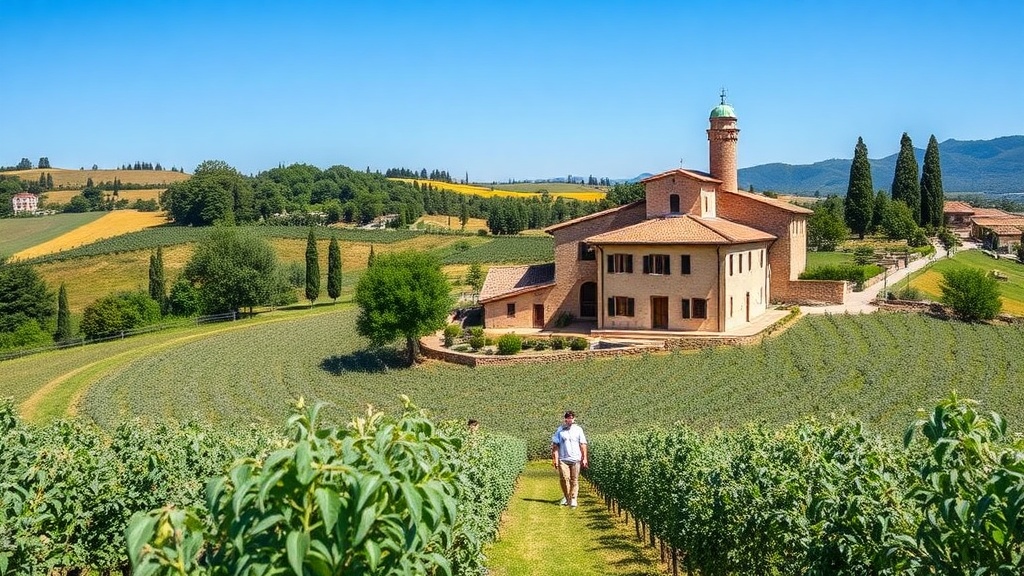

The Heart of Umbria’s Rural Charm
Hidden in the rolling green hills of central Italy, Umbria is a region where time seems to slow down. Known as the “green heart” of Italy, it offers not just breathtaking landscapes but also an invitation to immerse yourself in centuries-old farming traditions. Visiting local farms here is more than sightseeing—it’s a living experience that connects you with authentic agricultural practices and flavors deeply rooted in Umbrian culture.
Meeting Farmers Who Keep Traditions Alive
One of the most enriching aspects of visiting rural Umbria is meeting the farmers themselves. Many families have cultivated olive groves, vineyards, and wheat fields for generations. Conversations often happen over homemade wine or freshly baked bread served right at their kitchen tables. This direct exchange allows visitors to understand not only how food is produced, but also why these traditions still matter today.
Culinary Experiences That Go Beyond Tasting
Farm visits offer far more than sampling cheese or sipping olive oil—they allow you to participate actively. From joining a truffle hunt with trained dogs to learning how pasta dough should feel under your hands, each activity creates lasting memories.
- Olive oil tastings: Learn how subtle differences in soil and altitude influence flavor profiles.
- Pasta-making workshops: Knead dough alongside grandmothers who follow age-old family recipes.
- Seasonal harvests: Pick grapes during vendemmia or olives during autumn, sharing work and laughter with locals.
A Gateway Into Slow Travel
In an era when speed defines our routines, time spent on an Umbrian farm introduces a welcome contrast. You’ll realize that eating seasonally isn’t a trend here—it’s simply life as usual. By embracing rural rhythms, visitors rediscover values like patience and connection while appreciating food from seed to table.
Sustainable Tourism With Deeper Roots
Agritourism plays a crucial role in sustaining small-scale farms and preserving biodiversity. Many properties are certified organic and use eco-friendly methods such as solar power or rainwater collection systems. Supporting them means contributing directly to environmental care while enjoying some of Italy’s finest produce.
Beyond the Plate: Culture Intertwined With Farming
The link between farming and culture becomes clear during village festivals dedicated to seasonal products—from saffron fairs to celebrations of chestnuts or lentils. These events highlight how agriculture shapes community spirit across generations. To learn more, you can explore detailed insights into similar immersive travel experiences across Europe.
An Example Journey Through Norcia and Spello
If you begin your trip near Norcia, famous for its black truffles and cured meats, local guides may take you through oak forests before inviting you into rustic kitchens for tastings. In Spello, charming vineyards invite travelers to sip crisp white wines while overlooking medieval rooftops bathed in golden light—an unforgettable combination of history and hospitality.
Planning Your Own Agriturismo Experience
If this type of journey sparks curiosity, planning ahead is key since many farms welcome limited groups for intimate encounters with their workspaces. Resources such as Visit Umbria official tourism site provide helpful tips on booking stays at authentic agriturismi across the region. For those interested in culinary heritage beyond Italy’s borders, exploring guides like Slow Food International offers valuable insight into global movements aiming to protect traditional gastronomy.
Getting There and Getting Around
Most Umbrian farms lie a few kilometres from the nearest village, at the end of a strada bianca, the white gravel road that is a fixture of the region. That distance is part of the appeal, but it means a car for almost every stay. The practical gateways are Rome Fiumicino, roughly two hours by motorway to the southern edge of the region, and Florence, about the same to the north; Perugia’s small airport has a handful of routes and is a short drive from the central valley. Trains on the Rome to Florence line stop at Orvieto, and a branch line serves Spoleto, Foligno, Assisi and Perugia, so a rail arrival followed by a rental car from a town is a workable plan.
Once there, distances are short but roads are slow. Count on forty minutes for what looks like twenty kilometres on the map, and on ten minutes of gravel at the end. Sat-nav will happily send you down a farm track that ends at a locked gate; follow the host’s written directions instead, which will mention a chapel, a cypress or a stone trough rather than a road number. Fill the tank in town, since fuel stations in the hills close for lunch and on Sunday afternoon.
Small Courtesies That Open Doors
Farm families are hosts, not staff, and a few habits make the difference between a room for the night and a place at the table. Arrive when you said you would, or telephone: someone will have stopped work to meet you. Ask before photographing people, animals or the inside of a cellar. Buy something before you leave, a bottle of oil or a jar of the jam that was on the breakfast table; it is how the farm makes its living, and it is remembered.
- Learn ten words. Buongiorno, grazie, buonissimo and permesso when entering a kitchen go a long way in villages where English is thin.
- Respect the quiet hours. Early afternoon and after eleven at night are silent on a working farm, and the family is not being unfriendly.
- Do not tip; do say thank you. Tipping is not expected on an agriturismo. A handwritten note in the guest book, or a photograph sent afterwards, is worth more.
- Accept the second helping. Refusing food once is polite; refusing twice is taken at its word.
A Lasting Memory Carved Into Taste Buds
No traveler leaves an Umbrian farm untouched by its spirit—the crackle of firewood ovens baking bread at dawn, the earthy perfume rising from freshly tilled soil, the joy shared around communal tables where strangers become friends within minutes. More than postcards or photos, what remains etched forever are rich aromas and deep connections nourished through simple yet extraordinary encounters with people who live their traditions every day.
Read next: Lake Trasimeno: Planning a Slow Weekend of Shoreline Towns, Island and Food
