

The word agriturismo appears on thousands of listings across Italy, but it does not guarantee the same experience everywhere. Understanding where the category comes from helps you tell a working farm that hosts guests from a holiday complex with a rural backdrop. Here is how to read the label and decide.
- An agriturismo is meant to be a real farm first, with lodging and meals drawn from its own land.
- Quality varies widely, so a few simple tests on arrival or before booking separate genuine farms from imitations.
- Umbria suits this style of stay well: green valleys, olive farms and quiet hill towns.
What does agriturismo actually mean?
The term combines agriculture and tourism. In its intended sense, an agriturismo is a functioning farm that welcomes guests with on-site rooms and food produced on the property. You are staying where someone grows, raises or makes something, and the people who greet you are usually the same ones doing that work.
The category has a specific origin. Small-scale farming had been in decline since the 1950s, and in 1985 a law was passed allowing farmers to add tourism to their income. The thinking was twofold: reconnect city dwellers with the countryside, and give farmers a way to keep traditional practices alive. Selling cheese, salami, wine or oil directly to guests gave them an outlet they would not otherwise have had.
So when you see the word, treat it as a statement about priorities. The farm comes first and the guests are welcomed into that routine. That is different from a rural B&B or country hotel, where hospitality is the main business and the setting is simply pleasant.
If a specific rule matters to you, such as how much of the meal must come from the farm, ask the host directly rather than assuming.
How can you tell a genuine farm from a farm in name only?
Not every property using the word lives up to it. One travel writer describes the gap between the spirit and the letter of the law with the phrase ‘Disneyland agriturismo’: tourism becomes the main motivation, and the farm is a facade for what is really a restaurant with holiday apartments. Nothing is wrong with holiday apartments, but you should know which one you are booking.
Look for evidence of actual farming. Warning signs described by experienced visitors include:
- manicured lawns but little or nothing edible being grown;
- no farm animals anywhere on the property;
- a host who lives some distance away and is rarely on site;
- a brochure that lists pools and spa facilities but says little about what the farm produces.
Positive signs are the opposite. A vegetable garden that clearly feeds the kitchen, animals in the fields, preserves made from fruit picked nearby, a menu built around the farm’s own produce, and fresh pasta made daily. One farmer’s suggested test is simple: ask whether they bake their own bread. A property that does this is likely to be doing much else itself.
Comfort and authenticity are not opposites. A converted farmhouse can offer every modern convenience while the stables, chickens and cattle carry on beside it. What you want is a balance in which the farm has not been sacrificed to the guest facilities.
What should you ask before you book?
Most listings sit on third-party booking sites, though some smaller farms post directly on their own pages. Whichever route you use, a few questions will tell you more than the photographs.
- What does the farm produce? Wine, olive oil, cheese, cured meats, vegetables or honey are all common answers. A vague reply is informative in itself.
- Is dinner available, and when? Confirm this early, especially if the farm is far from the nearest village.
- How much of the food comes from the property? Ask about bread, eggs, vegetables and meat specifically.
- Is half board offered, and what does it include? Clarify whether drinks are covered and whether the evening menu is fixed or varied.
- Can guests take part in farm activities? Some places run cooking classes, olive oil tastings or let guests help at harvest. Others keep guests separate from the work.
- Who is on site? Owners who live and work on the farm shape the whole stay.
Read recent reviews with these points in mind, and look at photos of common areas as well as bedrooms. Choose according to the trip you want: a pool-focused, restful stay or a more hands-on one. Both exist, but they are different products.
Also think about transport. Many farms are outside towns, so a rental car usually makes getting around much easier. Check parking arrangements and any restricted traffic zones in the towns you plan to visit.
Why does Umbria suit an agriturismo stay?
Italy has agriturismi in nearly every region, and the character changes with the landscape. Puglia pairs ancient olive groves with seaside masserie, and Sicily brings volcanic wines and bold cooking near Etna or the coast.
Umbria offers something quieter: green valleys, olive farms and small hill towns, well suited to a low-key escape. If your priority is a slow base where the farm is part of the day rather than a backdrop to a beach, this is the kind of region to consider. Stays tend to be built around walking between villages, local wine and oil, and meals at the farm table, and you can pair them with the guides to individual areas elsewhere on this site.
Whatever region you choose, apply the same checks. A property in a famous area can still be a hotel in disguise, and a modest farm in a less visited valley can deliver exactly what the label promises. Decide what you want from the stay first, whether that is food, quiet, activity or a family-friendly setting with animals, then use the questions above to find the farm that matches.
Finally, keep expectations realistic. Farm life has early mornings, working machinery and weather, and unpaved access roads are common. For most guests that is part of the appeal, but it is worth knowing before you arrive.
Related reading
Sources
- Staying at an Agriturismo in Italy – Treks and Trails (treksandtrails.ca, accessed 2026-11-04)
- Vero Italiano: agriturismi (italytravelandlife.com, accessed 2026-11-04)
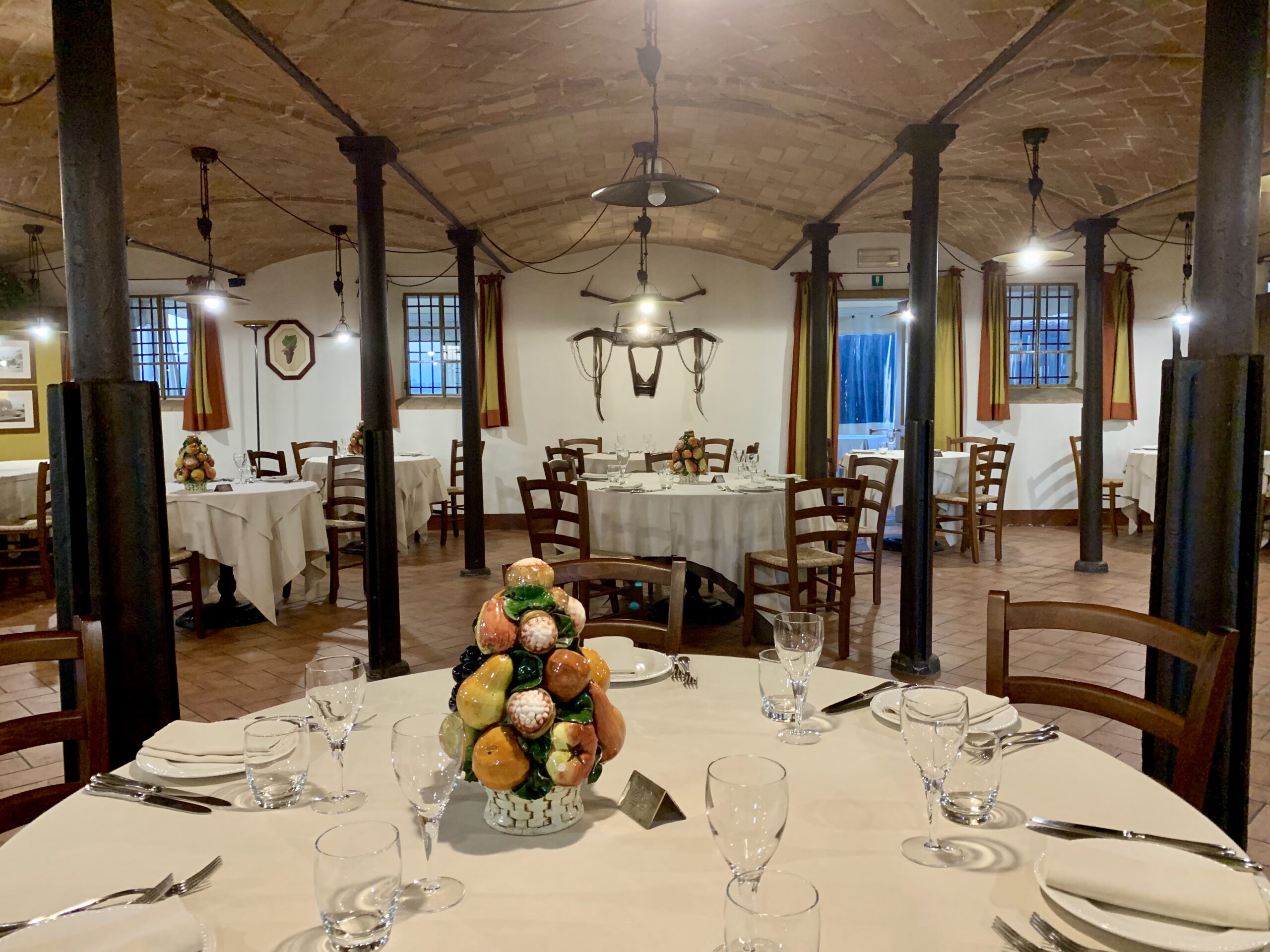
Photo: Agriturismo Cavazzone, Viano, Italy 03, by Kgbo, CC BY-SA 4.0 (Wikimedia, via Openverse)
